FAC blog
Opinions and comments from Future Agricultures researchers on agricultural politics, science and society in Africa
Latest articles
Moving toward a sustainable green revolution in sub-Saharan Africa
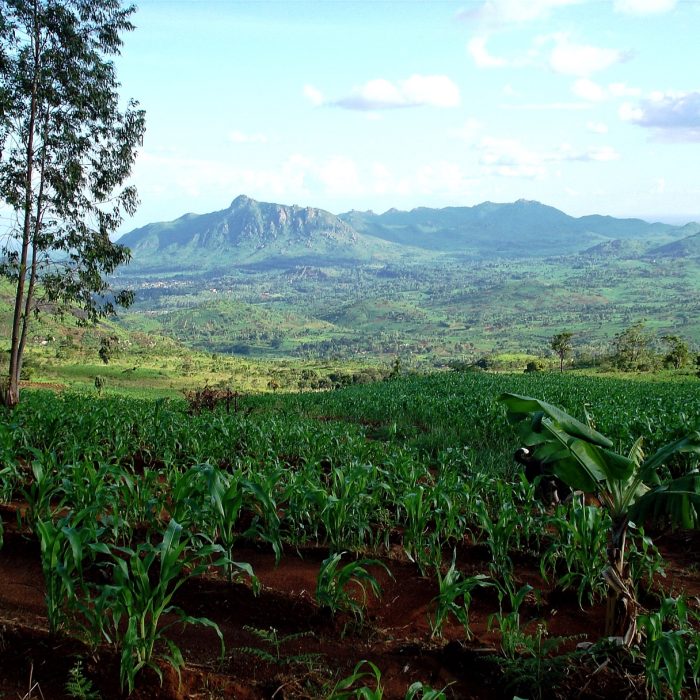
January 29, 2025 / APRA blog FAC blog Sub-Saharan Africa struggles to achieve a sustainable green revolution, with cereal yields far behind other regions. This blog highlights the need for integrated soil fertility management, improved cultivation practices, and tailored strategies for maize and rice. It underscores the importance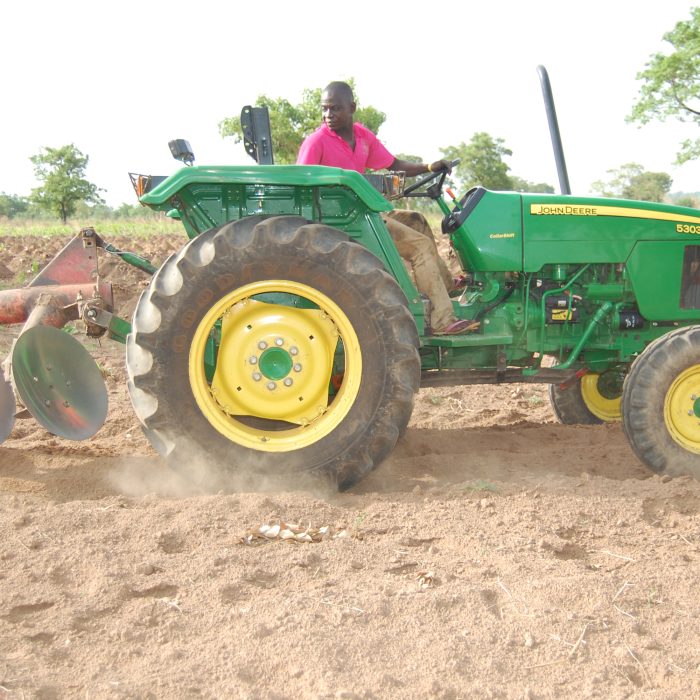
Agrarian change in Northern Ghana: Winners, losers, and emerging tensions
January 22, 2025 / APRA blog FAC blog In northern Ghana, capitalist agrarian transformation is reshaping rural communities. A 2024 study highlights how the growth of medium- and large-scale farms is driving economic efficiency while deepening social inequalities, particularly for women, youth, and smallholders. This transformation sparks new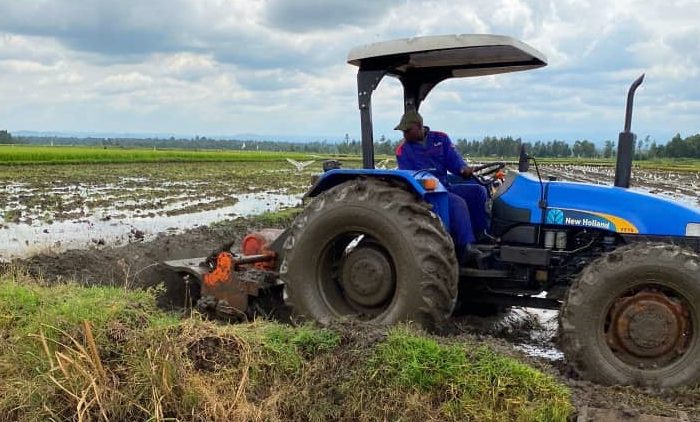
Are commercialised farms driving agricultural transformation in rural Kenya?
January 14, 2025 / APRA blog FAC blog Kenya's agricultural landscape is rapidly evolving, with commercialised farming emerging as a key driver of change. By focusing on producing crops and livestock for sale rather than household consumption, this shift is reshaping rural economies and livelihoods. A recent study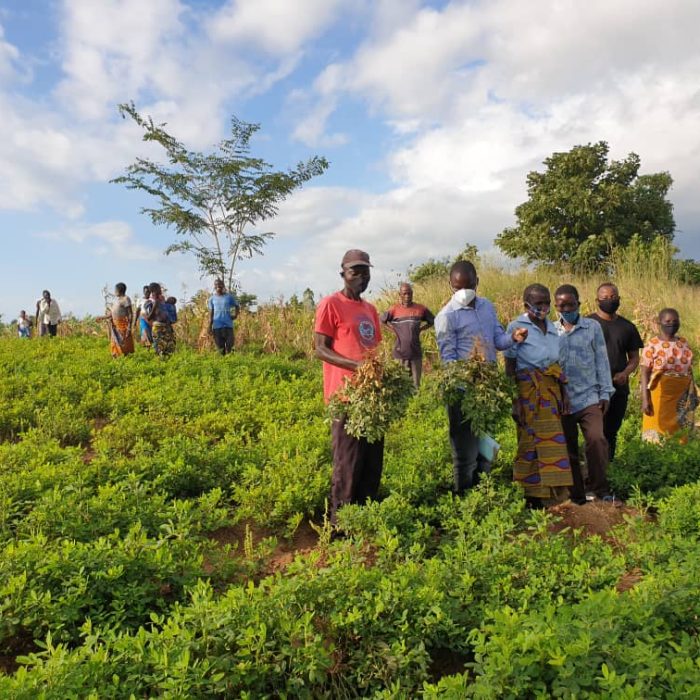
Exploring gender dynamics in Malawi’s agricultural commercialisation
August 27, 2024 / APRA blog FAC blog As Malawi undergoes a significant shift towards agricultural commercialisation, a recent study led by APRA researchers Loveness Msofi Mgalamadzi, Mirriam Matita, and Masautso Chimombo sheds light on the intricate gender dynamics at play within smallholder households. While commercialisation is often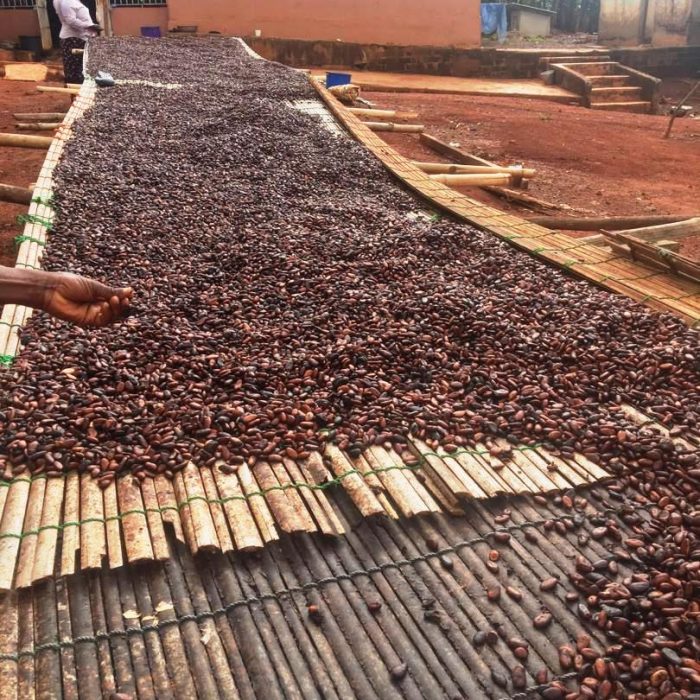
Changing land and labour relations on Ghana’s cocoa farms
May 20, 2024 / APRA blog FAC blog Pioneering cocoa farmers in Ghana used and adapted existing social norms and family networks to acquire large areas of land and the labour to farm it. The resulting development of cocoa farming was a remarkable story of African innovation and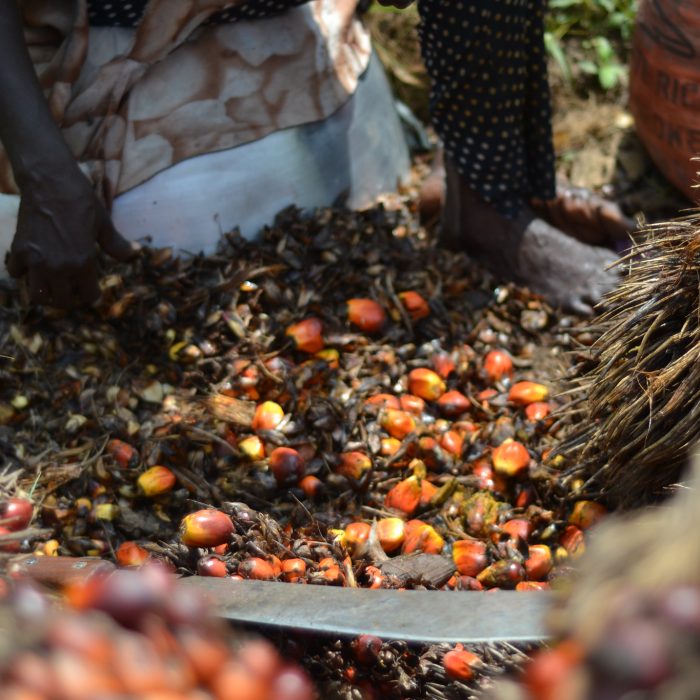
Why is it so difficult to build or grow associations among smallholder farmers?
March 27, 2024 / APRA blog FAC blog Money – or the lack of it – and disagreements over how it is spent impact both personal and professional relationships. Research from Ghana investigating the effectiveness of farmer-based organisations (FBOs) among oil-palm producers, revealed that high levels of poverty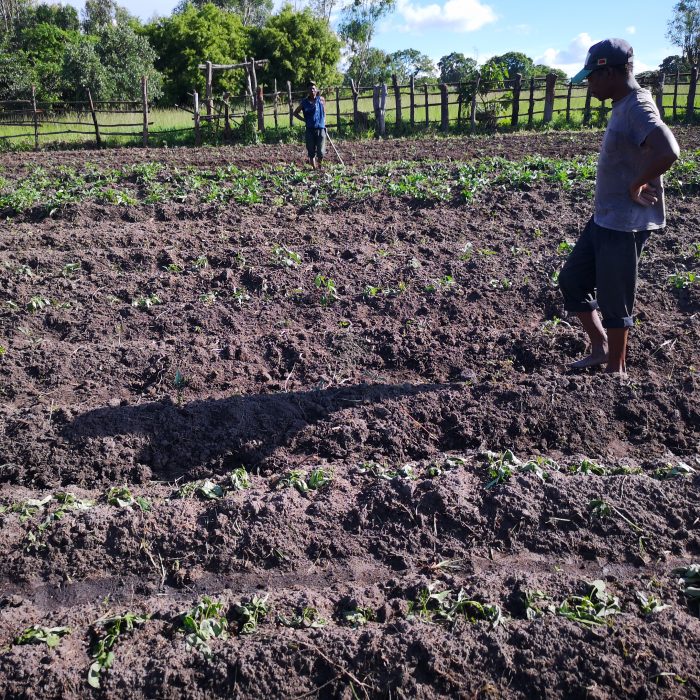
Climate resilience and agricultural commercialisation in Africa: Four lessons from APRA research
November 23, 2023 / APRA blog FAC blog Commercialisation remains a key policy aim for governments across Africa, for obvious reasons. It is seen as a way of: a) increasing farmers’ incomes and thereby reducing poverty; b) transforming the agricultural sector and; c) improving resilience capacities in the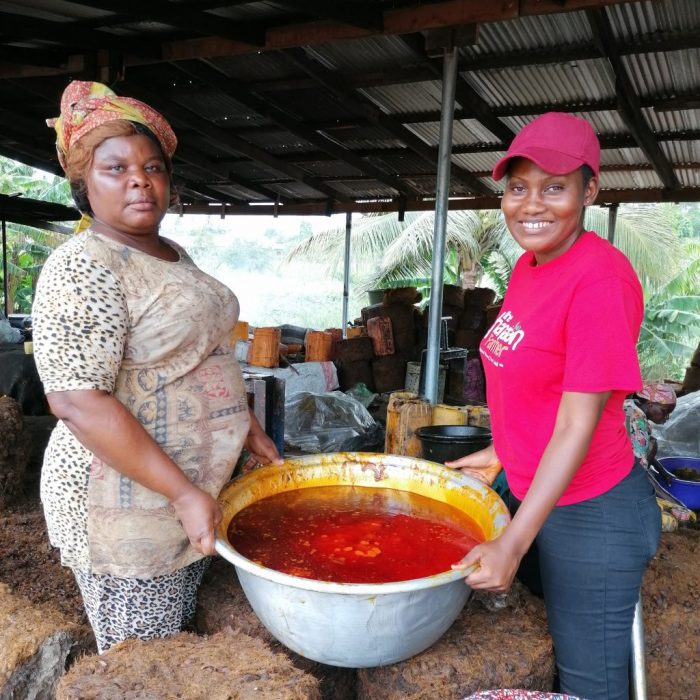
Unlocking the untapped potential of oil palm farming in south-western Ghana
November 13, 2023 / APRA blog FAC blog In the green fertile landscapes of south-western Ghana, oil palm farming has long been the backbone of rural livelihoods. Shedding light on existing oil palm marketing arrangements and their welfare outcomes reveals a story that is both promising and challenging.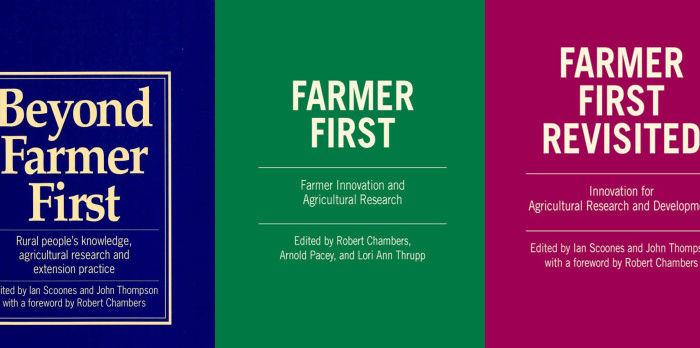
Putting farmers first in pathways to equitable food systems: three open access books released
July 4, 2023 / FAC blog Written by: Robert Chambers, Ian Scoones and John Thompson A focus on food must mean a focus on farming. And a focus on equity in food systems must encompass equity in agricultural systems. As global food systems transform, generating increasing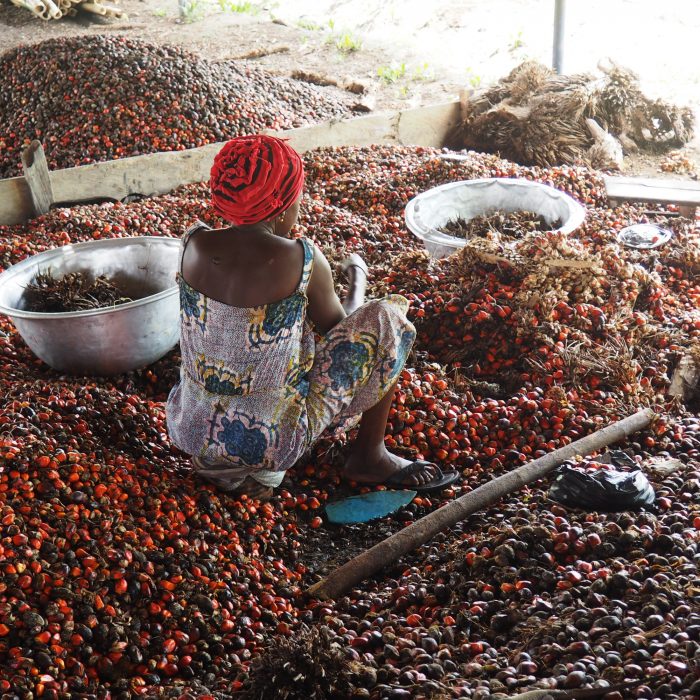
Why democracy hasn’t resolved policy failures in Ghana’s oil palm sector
June 29, 2023 / APRA blog FAC blog Ghana's oil palm industry has consistently fallen short of its potential, despite continuous policy support – but why? This perplexing issue is the subject of an APRA research paper recently published in the journal World Development Perspectives.
In Memory of Dr Hannington Odame (1956-2023)
June 26, 2023 / APRA blog FAC blog It is with great sadness that I must report the tragic loss of our dear friend and long-time collaborator Dr Hannington Odame, who passed away after a sudden illness on the evening of 20 June 2023.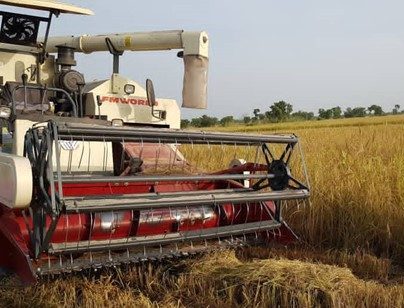
An agrarian revolution in the Fumbisi Valley: the modernisation of farming
June 15, 2023 / APRA blog FAC blog Written by: Joseph A. Yaro In past green revolutions, Africa has not fared well. During the 1970s, for instance, efforts were made to modernise practices for enhanced farmer efficacy and productivity – and, in turn, reduce poverty and hunger. During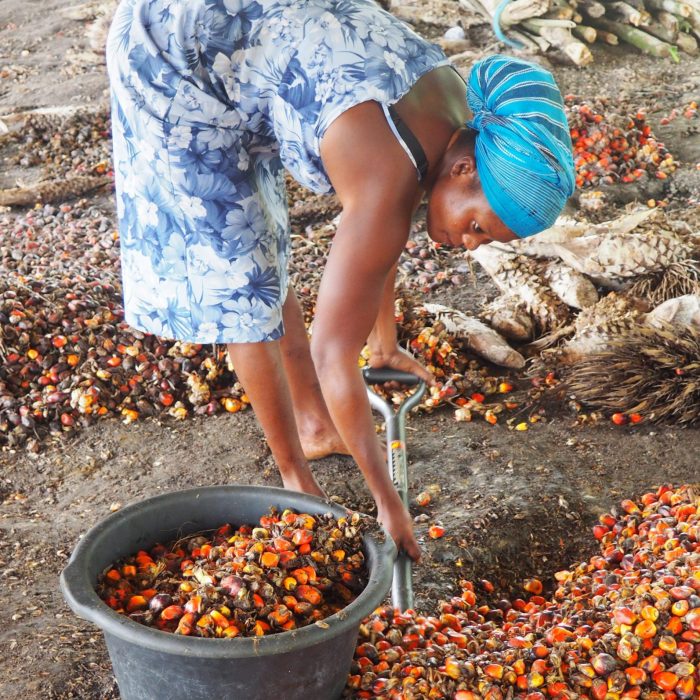
Agricultural technology, food security and nutrition in Ghana
January 31, 2023 / APRA blog FAC blog Written by: Lisa Capretti, Amrita Saha, Farai Jena and Fred Dzanku Agricultural technologies play an important role in helping smallholders to increase their yields and incomes, and therefore tackle poverty and food insecurity in Sub-Saharan Africa. Using new panel data
Why livestock can be good for the environment
January 16, 2023 / FAC blog Livestock have been cast as the villains, contributors to environmental destruction and a major driver of climate change. While some livestock systems are obviously damaging, lumping all systems into one argument makes little sense. The result is a confused policy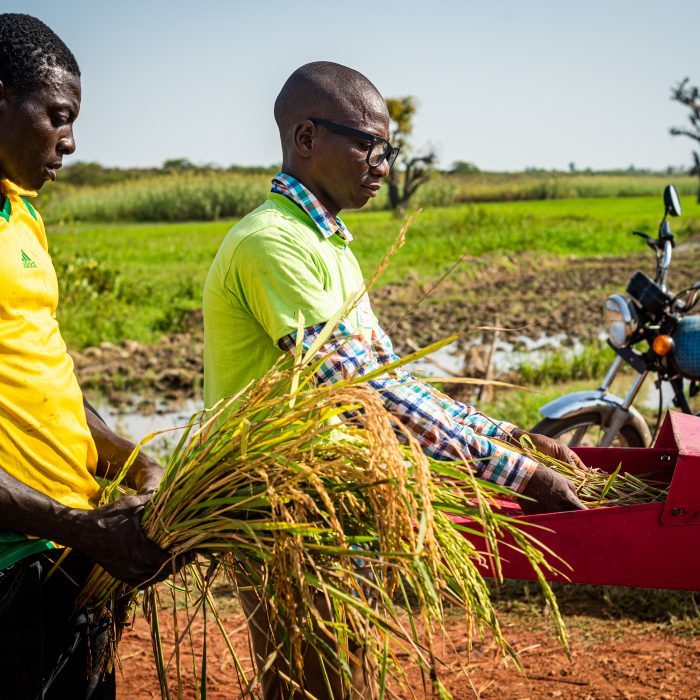
How important is farm size to agricultural productivity in Sub-Saharan Africa?
December 1, 2022 / APRA blog FAC blog The finding that smallholder farms are more productive than medium- to large-scale farms has long been documented, and has led to smallholder-led agricultural and development strategies in sub-Saharan Africa (SSA). However, evidence for this assertion has been largely limited to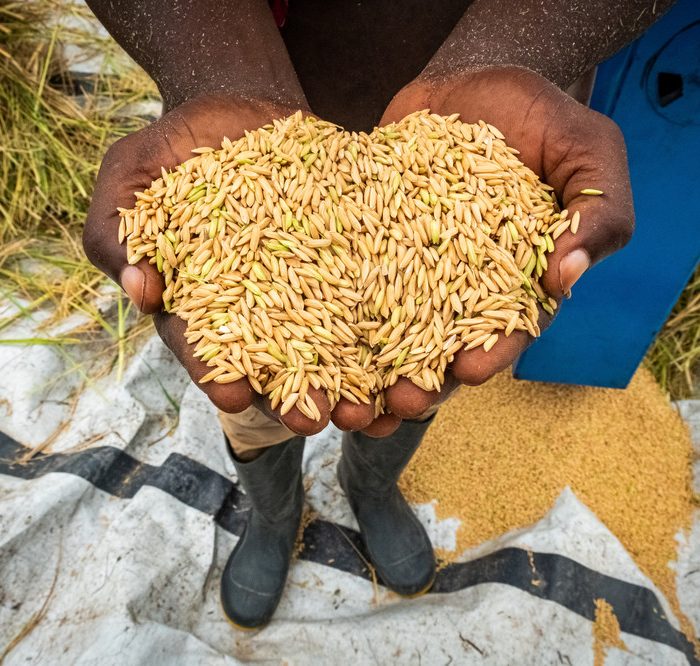
Ethiopia’s import dependence on rice-exporting countries: implications for policy and development responses
November 24, 2022 / APRA blog FAC blog With the current instability in global grain markets – mainly due to the ongoing impacts of COVID-19, the war in Ukraine, and climatic events impacting rice production – major rice-producing Asian countries have been considering steps to protect their domestic
Why COP27 needs a more sophisticated debate about livestock and climate change
November 14, 2022 / FAC blog As the climate conference, COP27, kicks of in Sharm el Sheik in Egypt debates about agriculture and land use will be centre stage. And amongst these discussions the role of livestock in the future of food and agricultural systems will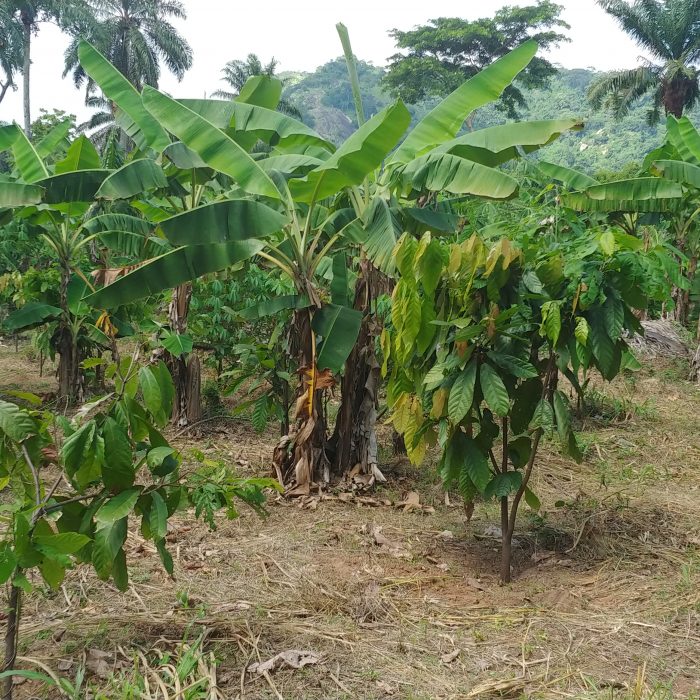
Boosting commercialisation through the production of commercial tree crops in Nigeria
November 7, 2022 / APRA blog FAC blog News Farming in Nigeria has been historically dominated by small-scale farms (SSFs). However, recent evidence suggests that medium-scale farmers (MSFs) are becoming increasingly prominent. One pathway for MSF growth in Nigeria has been identified as the expansion of land area under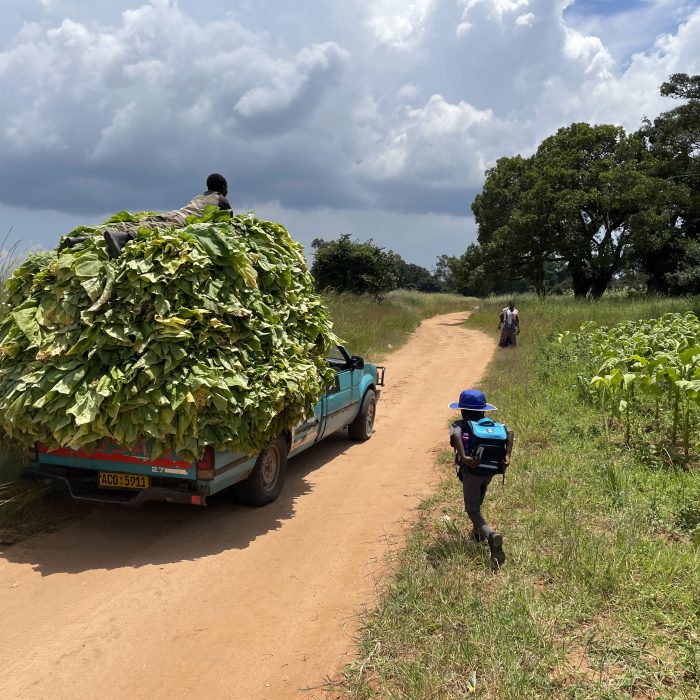
How does agricultural commercialisation affect livelihoods in Zimbabwe?
September 27, 2022 / APRA blog FAC blog The question of how agricultural commercialisation affects livelihoods has been central to the recently completed APRA programme, which, along with Ethiopia, Ghana, Nigeria and Tanzania, had work going on in Zimbabwe. The team, led by Chrispen Sukume and involving Godfrey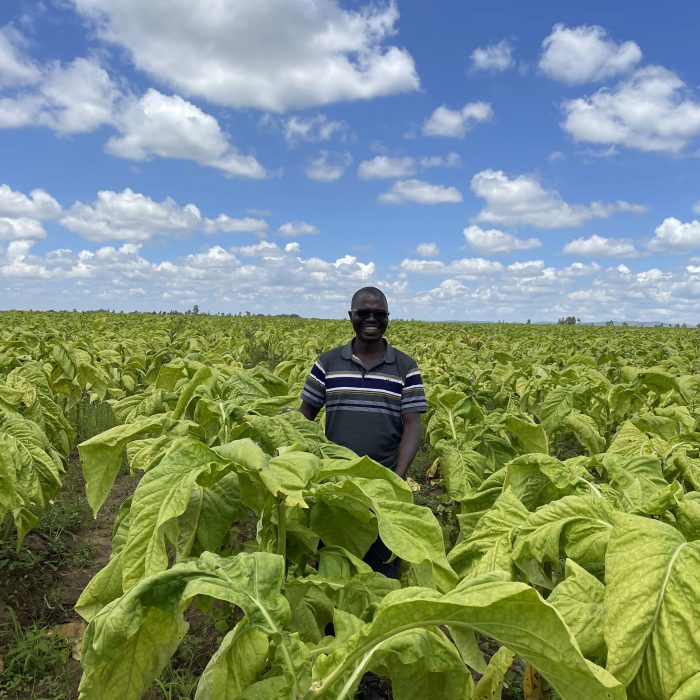
Tobacco and agrarian change in southern Africa
September 20, 2022 / FAC blog A great new special issue – tobacco and transformation – is out in the Journal of Southern African Studies, edited by Martin Prowse and Helena Pérez Niño. With reflections on Malawi, Mozambique, Tanzania, Zambia and Zimbabwe (mostly), it provides an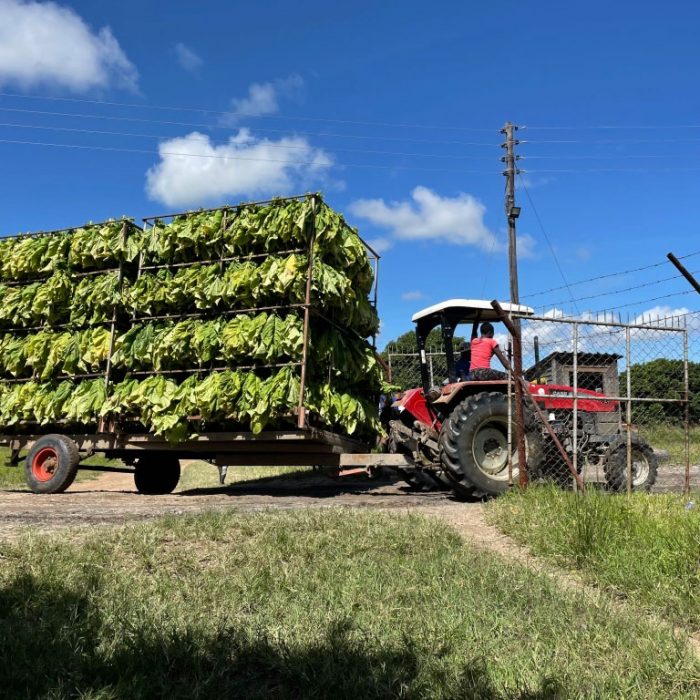
The future of Zimbabwe’s agrarian sector: a new book
August 25, 2022 / FAC blog A new book on land and agriculture Zimbabwe – The Future of Zimbabwe’s Agrarian Sector – is just out with Routledge and edited by Grasian Mkodzongi. It’s fiendishly expensive, but a paperback version is promised soon. Meanwhile be in touch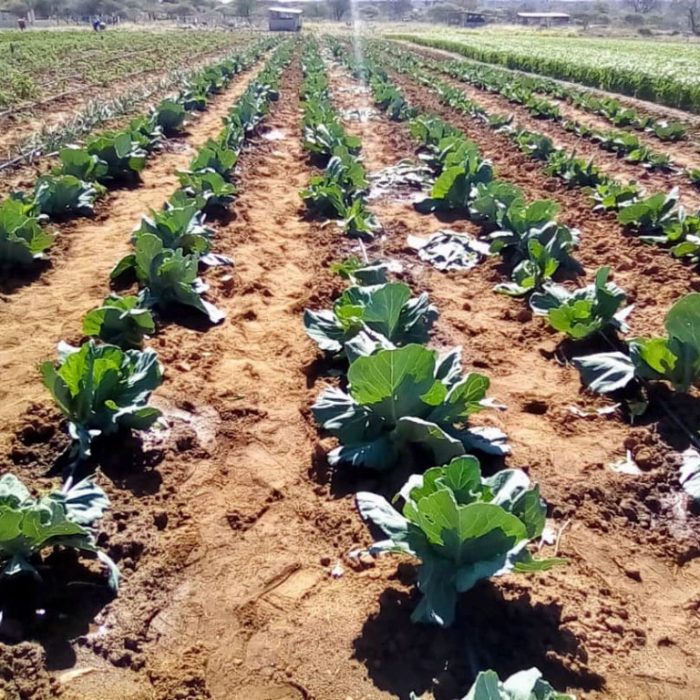
Urban agriculture: surviving in a collapsing economy
August 2, 2022 / FAC blog Over the last few weeks, we have looked at urban agriculture in different parts of Zimbabwe; from a city like Masvingo to small towns and growth points like Chikombedzi, Triangle/Hippo Valley, Maphisa, Chatsworth and Mvurwi. In all cases we see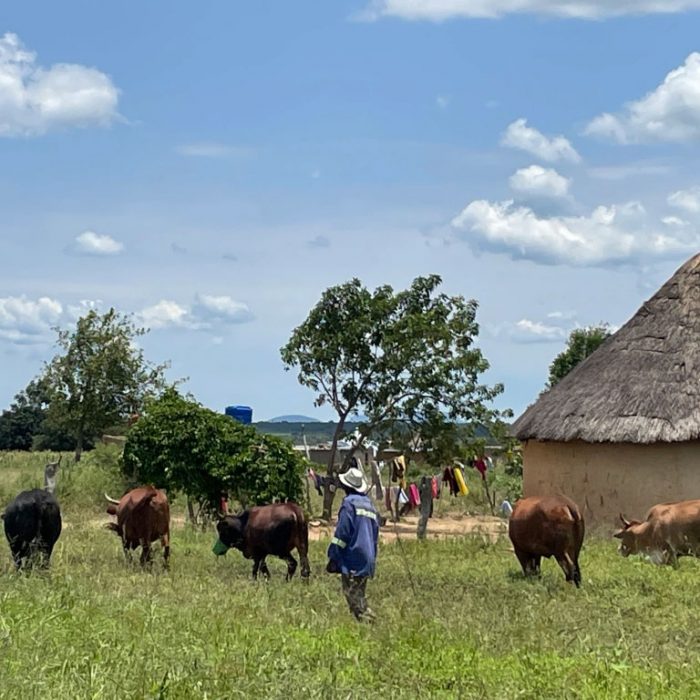
How to respond to ‘drought’: rethinking standard approaches
August 1, 2022 / FAC blog Over the last four weeks, a blog series has asked what is the best way to respond to ‘drought’? This is an important question for a country like Zimbabwe, and with climate change the question will become even more important.
Making the most of the media
July 6, 2022 / APRA blog FAC blog To disseminate policy-relevant messages based on the Agricultural Policy Research in Africa (APRA) research at country and regional levels, the Information and Communication and Engagement (ICE) team encouraged country teams to build relationships with the media from early on in
Communicating new evidence through working papers and briefs
July 2, 2022 / APRA blog FAC blog Through in-depth, interdisciplinary, comparative research across nine countries, the Agricultural Policy Research in Africa (APRA) has generated high-quality evidence and policy-relevant insights on more inclusive pathways to agricultural commercialisation. To disseminate its research findings and policy messages, APRA had a
Investing in social media pays big dividends
June 27, 2022 / APRA blog FAC blog Over the past six years, the use of social media has been a vital part of the Agricultural Policy Research in Africa (APRA’s) communications strategy in raising awareness of the programme’s activities and outputs. The Impact, Communication and Engagement (ICE)
Raising the profile of agricultural policy research
June 20, 2022 / APRA blog FAC blog Throughout the Agricultural Policy Research in Africa (APRA) Programme of the Future Agricultures Consortium, country research teams were encouraged to engage at district and national levels. Towards the end of APRA, during the latter part of 2021, each country team
e-Dialogues spark debate on the dynamics of agricultural commercialisation
June 16, 2022 / APRA blog FAC blog In early 2022, as the Agricultural Policy Research in Africa (APRA) programme of the Future Agricultures Consortium (FAC) was coming to an end, an e-Dialogue series, Towards an Equitable and Sustainable Transformation of Food Systems, was held in partnership with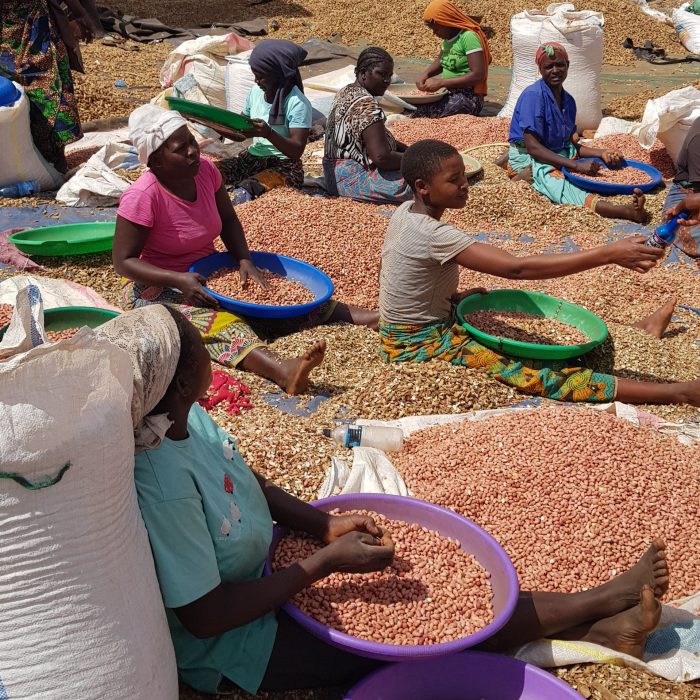
The power of blogs to share research and communicate policy lessons
June 9, 2022 / APRA blog FAC blog Over the course of the Agricultural Policy Research in Africa (APRA) Programme, researchers produced over 150 publications, including Working Papers, Briefs, COVID-19 Papers, Journal Articles and several books. The intended audience of these publications varied, from the academic community to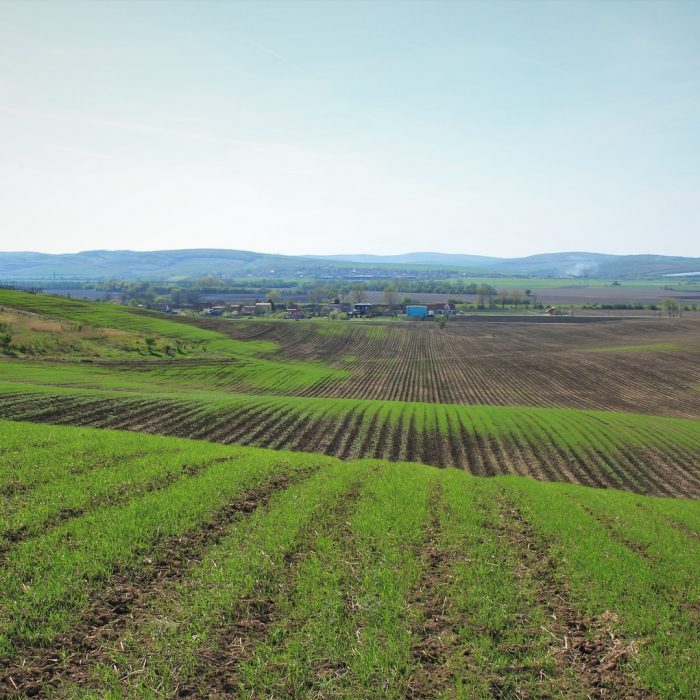
Changing farm structure and agricultural commercialisation in Nigeria
June 6, 2022 / APRA blog FAC blog Much of sub‐Saharan Africa, including Nigeria, is experiencing major changes in farmland ownership patterns. Among all farms below 100ha in size, the share of land on small‐scale farms (SSFs) under 5ha has declined over the last two decades. Medium‐scale farms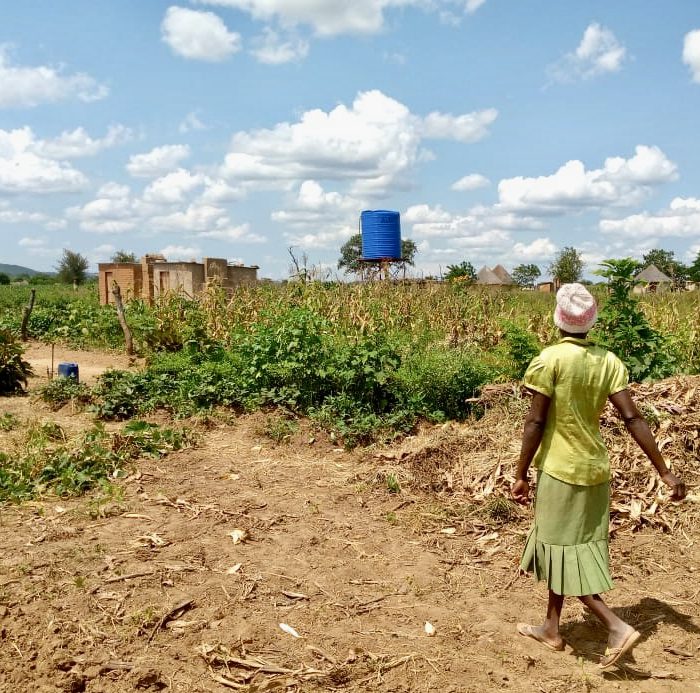
Farming with variability: mobilising responses to drought uncertainties in Zimbabwe
June 6, 2022 / FAC blog Climate change is generating greater variability within and across seasons. This is requiring new responses among farmers in Masvingo province in Zimbabwe. Today, farmers must adapt, be flexible and agile and respond to uncertain seasons as they unfold. This requires
Agricultural commercialisation and rural employment
May 26, 2022 / APRA blog FAC blog The seasonal nature of agricultural production under rainfed conditions in most parts of rural Ghana, as in other sub-Saharan countries, makes employment in small-scale agriculture alone inadequate for improving the wellbeing of most rural households. Boosting commercial agriculture could be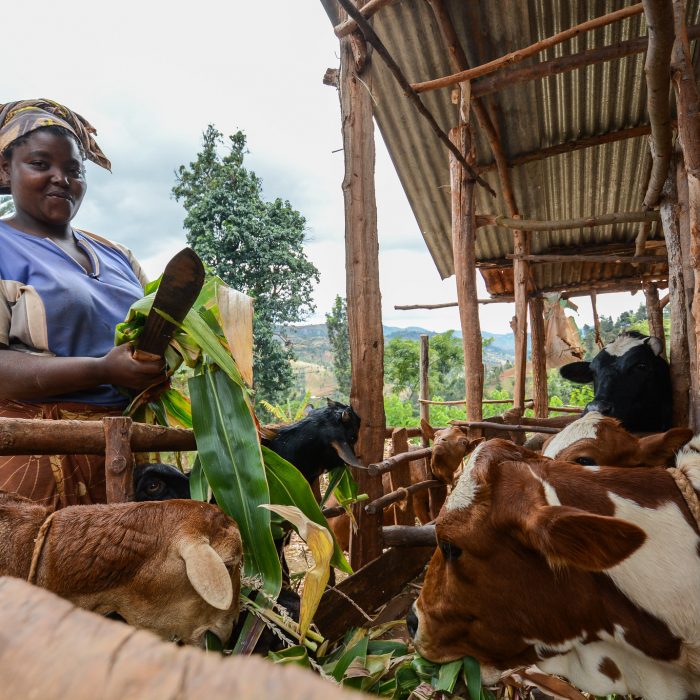
Diversification and food security in crop-livestock farming systems of Singida Region, Tanzania
May 25, 2022 / APRA blog FAC blog Diversification is a key strategy for coping with risks associated with climate change and variability among households in Africa’s semi-arid areas. The extent of diversification varies across households, but the crop and livestock enterprises undertaken comprise of at least one
Agricultural commercialisation and rural employment
May 23, 2022 / APRA blog FAC blog The seasonal nature of agricultural production under rainfed conditions in most parts of rural Ghana, as in other sub-Saharan countries, makes employment in small-scale agriculture alone inadequate for improving the wellbeing of most rural households. Boosting commercial agriculture could be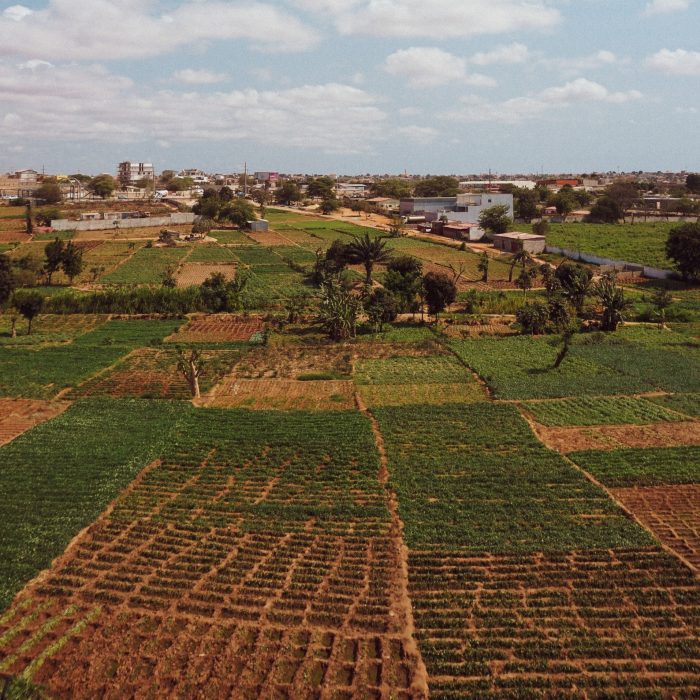
Medium-scale farming as a policy tool for agricultural commercialisation and small-scale farm transformation in Nigeria
May 12, 2022 / APRA blog FAC blog Land ownership patterns are changing in sub-Saharan Africa. In Ghana, Kenya and Zambia, medium-scale farms (MSFs), of between 5 and 100ha now account for more land than large-scale investors. Most African countries' national agricultural investment plans and policy strategies officially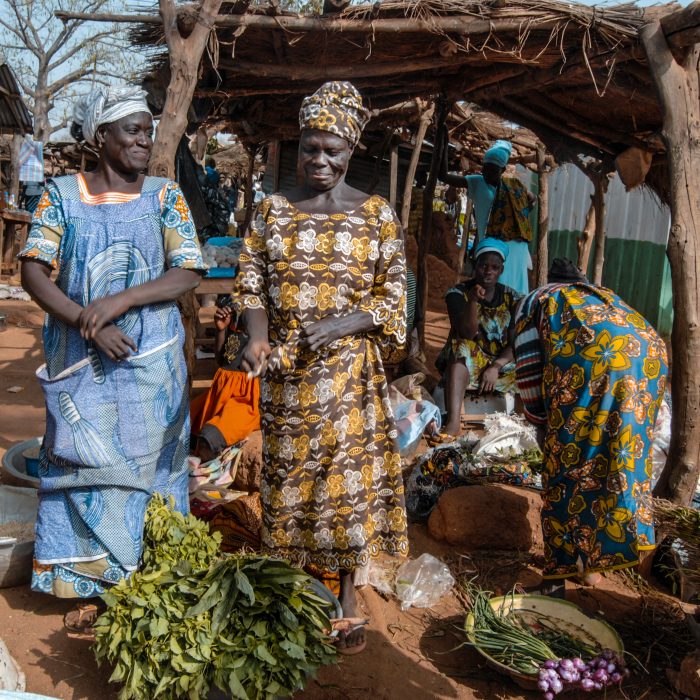
What are the gender-focused challenges within agriculture and commercialisation, and how can we approach tackling these?
May 5, 2022 / APRA blog FAC blog Agriculture remains the dominant employment activity among most households in Ghana, which currently engages 61% of the economically active population aged 15 years and above. However, returns to agrarian livelihood remain lower than gains from other sectors of the economy.
Protected areas: national assets or shared heritage?
April 25, 2022 / FAC blog What are the roles of protected areas in national development? Are parks national, even global, assets preserved for posterity and for protecting biodiversity, or are they part of a shared, local heritage, where nature and human use must be seen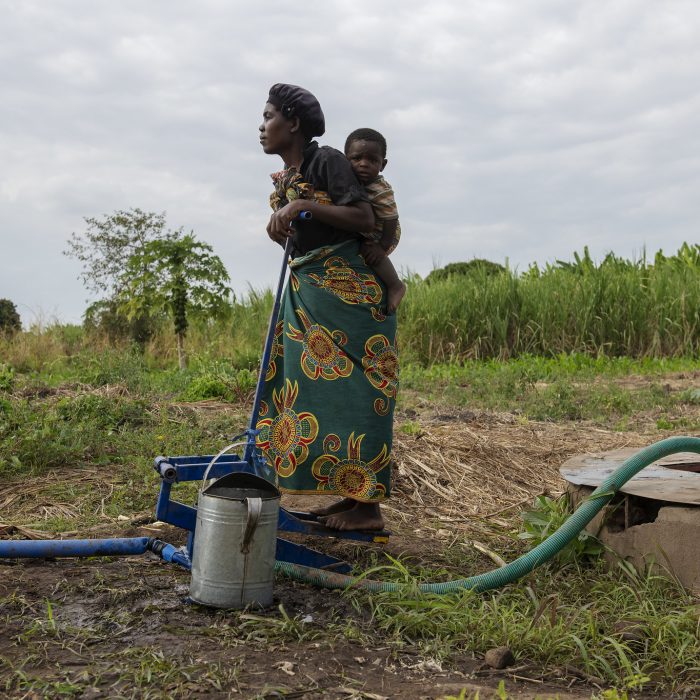
Far from inclusive: smallholder farmer commercialisation in Malawi
April 21, 2022 / APRA blog FAC blog What are the trends and patterns emerging in Malawi’s agricultural commercialisation process? What is the influence of these trends on poverty and food security, and the drivers of the process? How inclusive is agricultural commercialisation in the country? This blog,
A tale of two countries: patterns and drivers of smallholder commercialisation in Ghana and Nigeria
April 19, 2022 / APRA blog FAC blog What are the emerging patterns of agricultural commercialisation in Ghana and Nigeria? Are there geographical and gender differences in commercialisation among households? How have poverty levels changed over time? What are the key drivers of agricultural commercialisation in the two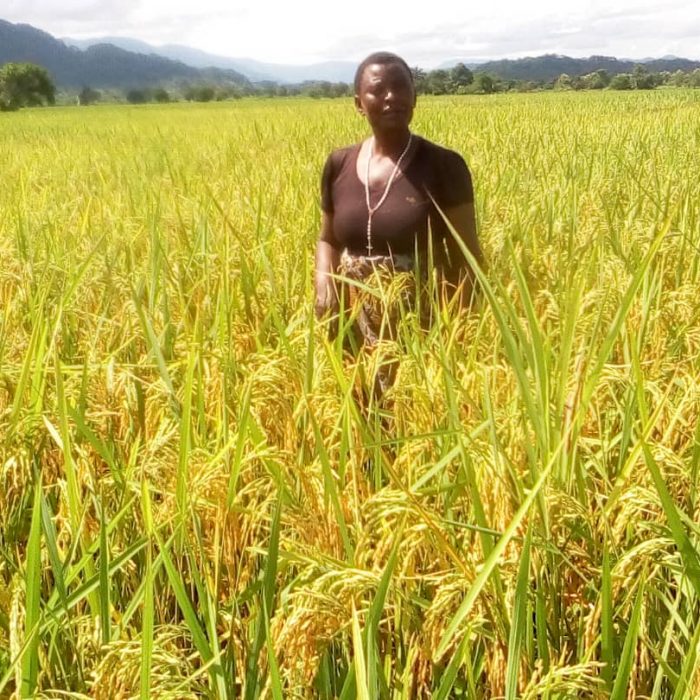
Women and youth in rice and sunflower commercialisation in Tanzania: Inclusiveness, returns on household labour and poverty reduction
April 14, 2022 / APRA blog FAC blog Over the last two decades, the Government of Tanzania, in collaboration with development agencies, has been supporting rice and sunflower commercialisation to improve livelihoods and reduce poverty among actors in these value chains. At the same time, the support has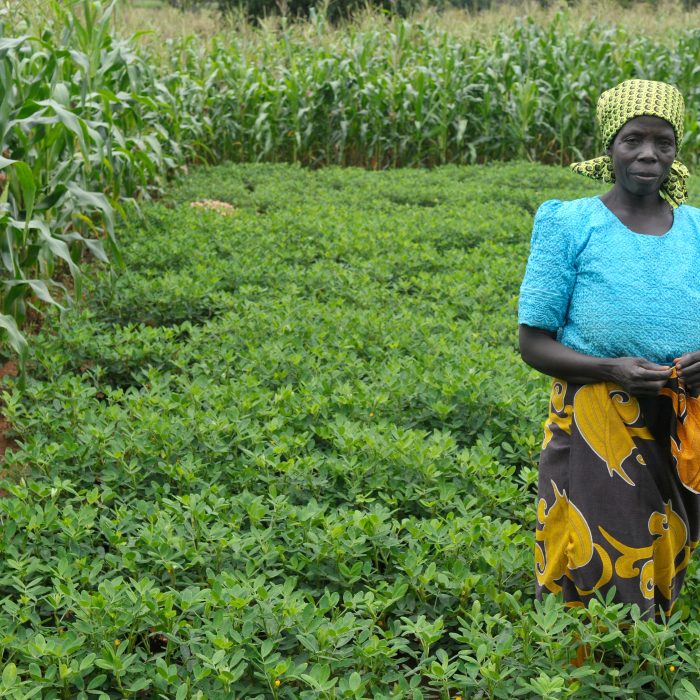
Polygamy and agricultural commercialisation in Malawi
April 13, 2022 / APRA blog FAC blog Agricultural commercialisation is perceived as a positive step towards development and economic growth in Malawi, as well as a source of household income and livelihoods among local communities. However, the process of commercialisation is hindered by a number of factors,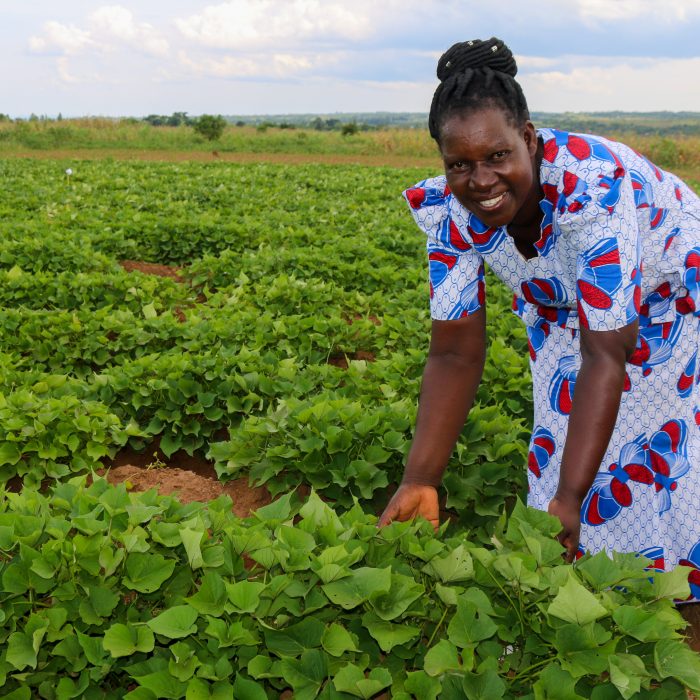
Marriage and agricultural commercialisation in Malawi
April 7, 2022 / APRA blog FAC blog Despite agricultural commercialisation being considered a positive step towards Malawi’s development and economic growth, as well as a source of household income and livelihoods among local communities, there are a number of factors that impede this process. Our research established
APRA e-Dialogue summary: Strategies and pathways for supporting more equitable and resilient food systems in Africa
March 31, 2022 / APRA blog FAC blog On 23 March 2022, representatives from APRA, along with fellow researchers and associates, came together virtually to discuss challenges that currently exist around equity and resilience within African food systems, and potential measures to negate these. The two-hour long session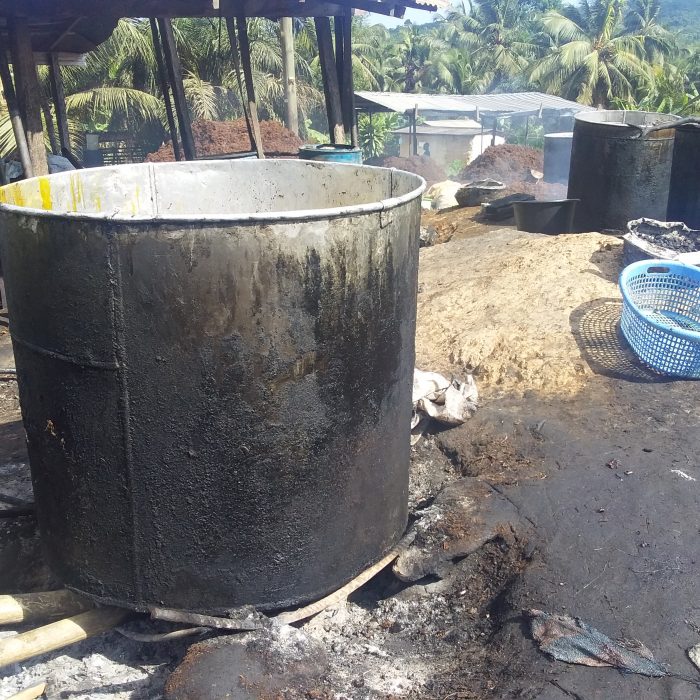
Artisanal Palm Oil Processing in an Industrial Enclave in Ghana: Resilience, Resistance and Elision
March 29, 2022 / APRA blog FAC blog Artisanal and industrial palm oil processing have co-existed within Ghana’s production enclaves for a long time. The relationship between them tends to be complex, reflecting resistance, resilience, and systematic elision of artisanal processors in agricultural and trade policy. This was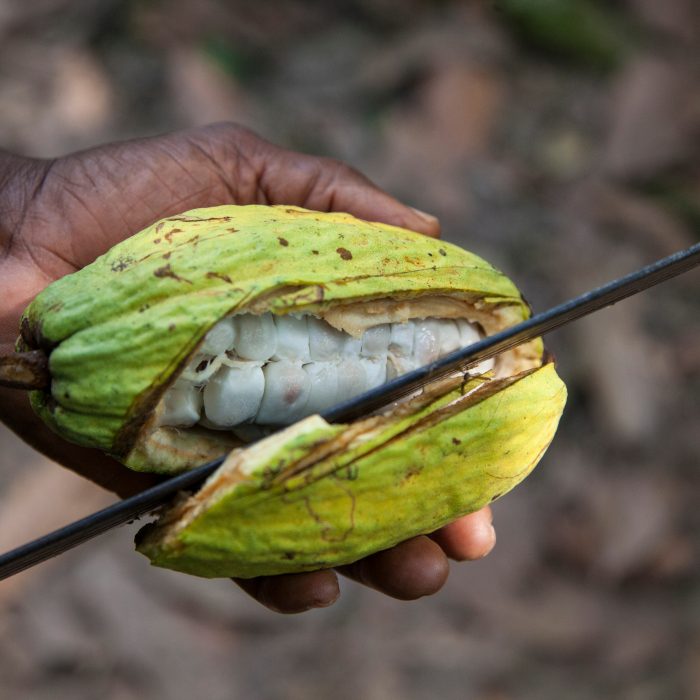
Cocoa can still provide a living, but it’s a struggle
March 17, 2022 / APRA blog FAC blog Since cocoa began to be cultivated in the 1880s in southern Ghana, it has created jobs, incomes and prosperity for the many farmers growing the crop. Until recently, cocoa farmers could make use of highly favourable conditions when clearing forests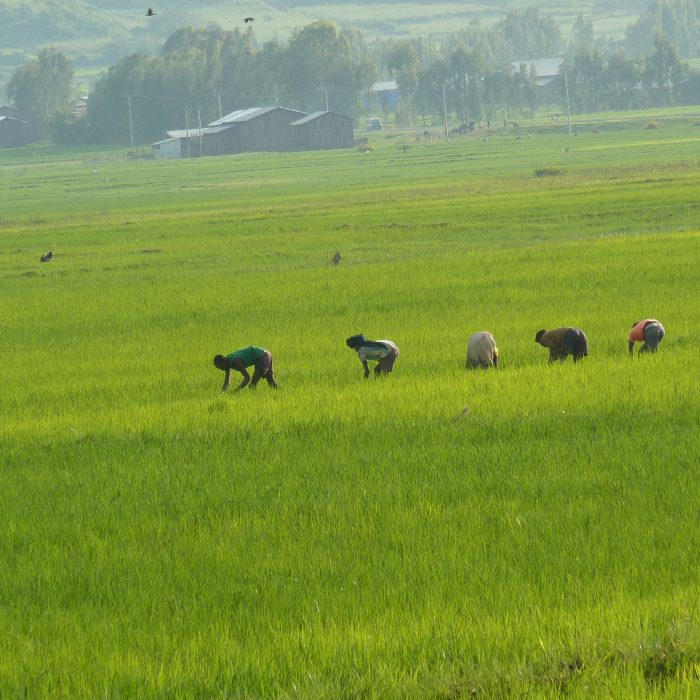
Hired labour use, productivity, and commercialisation: the case of rice in the Fogera Plain of Ethiopia
March 15, 2022 / APRA blog FAC blog Rice production is labour intensive with critical peak periods, which forces smallholder rice farmers to use hired labour in addition to family labour and emergence of rural labour market. This blog presents a summary of APRA Working Paper 83, which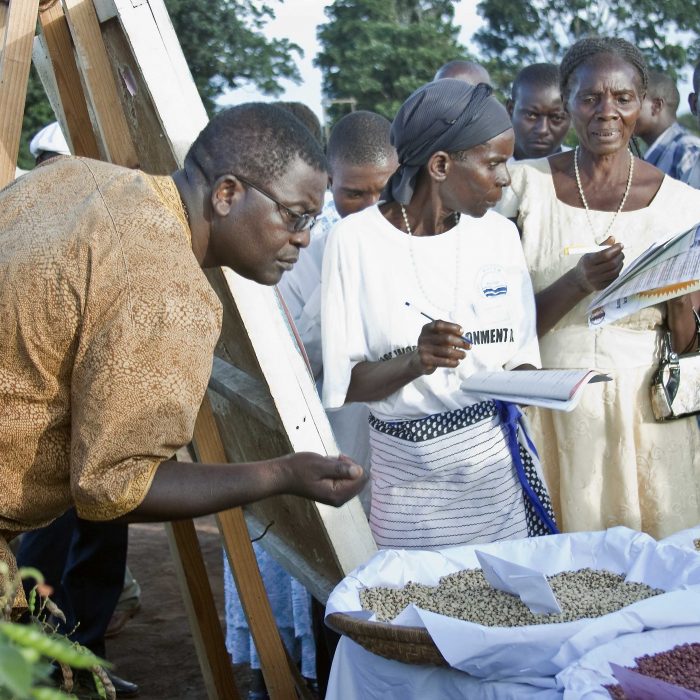
Mixed fortunes for central Malawi’s farmer producer organisations
March 10, 2022 / APRA blog FAC blog Malawi’s agriculture sector has a multiplicity of different types of farmer producer organisations (FPOs), operating at different levels. Farmer clubs, farmer associations, and farmer cooperatives are among the various names that FPOs are known as in Malawi, but what they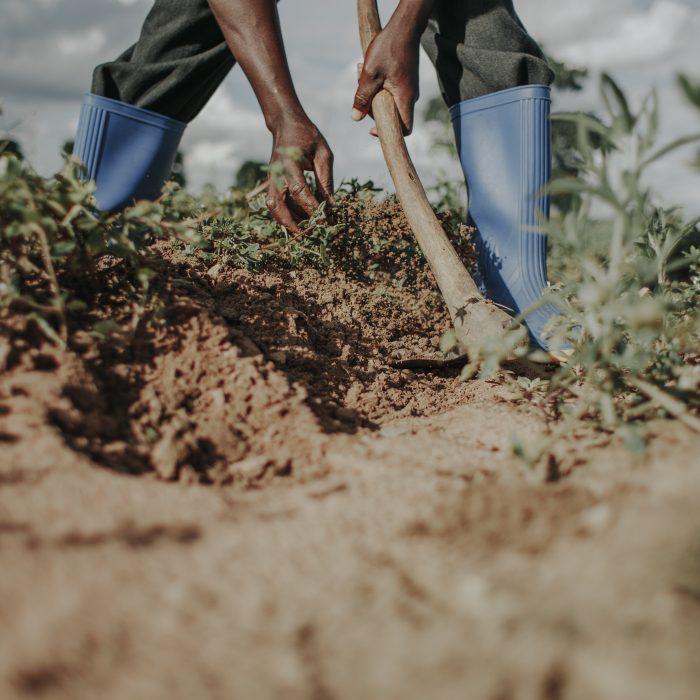
Climate-smart agriculture practices as a pathway to livelihood improvement in central Malawi
March 8, 2022 / APRA blog FAC blog Climate-smart agriculture (CSA) practices, used to promote sustainable agriculture, include technologies for soil fertility improvement, soil and water conservation and agroforestry tree cultivation. Their adoption, whilst patchy across Africa and particularly in Malawi, have the potential to support increases in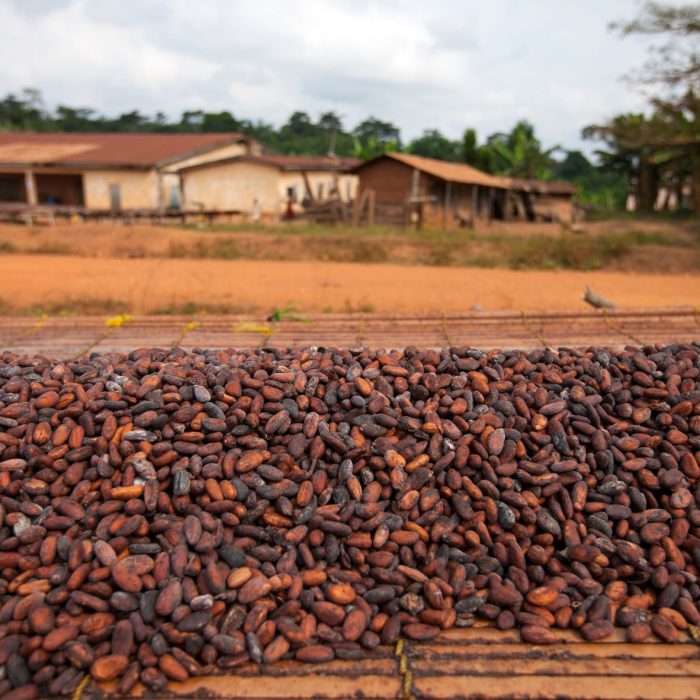
Cocoa in Ghana: a smallholder sector
March 3, 2022 / APRA blog FAC blog In recent years there has been an increased focus in African agricultural research on the emergence of medium-scale farmers and their role in promoting the uptake of agricultural commercialisation. However, the social composition of farmers varies between food commodity chains;