
Land
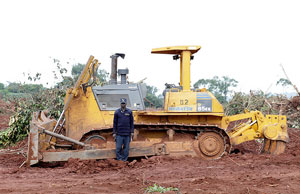 The phrase ‘global land grab’ has become a catch-all phrase to describe and analyze the current explosion of (trans) national commercial land transactions. Around the world, various state, corporate and civil society groups have reacted, albeit in different ways.
Some see this as a major threat to the lives and livelihoods of the rural poor worldwide, and so opposes such commercial land deals. Others see economic opportunity for the rural poor, although they are wary of corruption and negative consequences, and so calls for the improving land market governance feature prominently. And, of course, between these two extremes for and against large scale land purchases/sales are a range of intermediate positions offered by other groups.
In this context, in-depth and systematic enquiry is urgently needed in order to have deeper, meaningful and productive debates around causes and implications. FAC research will study the extent, nature and impact of what we define as define as cross-border, large-scale land deals that involve changes in land use and land property relations – through land purchases, land leases, and contract farming.
Latest articles
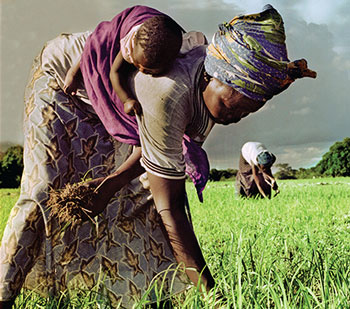
Book: Africa’s Land Rush
November 2, 2015 / Land Africa has been at the centre of a "land grab" in recent years, with investors lured by projections of rising food prices, growing demand for "green" energy, and cheap land and water rights. But such land is often also used
Land grabbing and ‘political reactions from below’
May 18, 2015 / Land The Journal of Peasant Studies (JPS) has released a special issue on 'global land grabbing and political reactions from below', guest edited by Marc Edelman, Ruth Hall, Ian Scoones, Ben White and Wendy Wolford. The collection is free access for
Debating land governance at CAADP
March 25, 2015 / Land Future Agricultures was represented at the 11th CAADP Partnership Platform in Johannesburg on 24 March 2015, by Ruth Hall, convenor of the Land theme. Prof Hall spoke at a side event on ‘Improving Land Governance for Inclusive and Sustainable Agricultural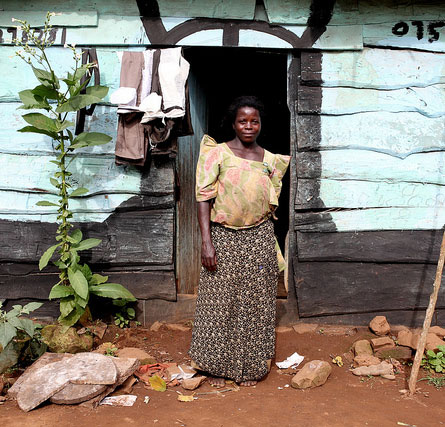
“We are aware of a plan to divide this lake into pieces”
January 30, 2015 / Land Fishing communities in Uganda are under threat from evictions and loss of access to Lake Victoria. Their story is one example of the takeover of land and water by businesses, governments and local elites. To address the problem, there have
Call for Papers: BRICS & Agrarian Change conference
January 30, 2015 / Land The BRICS Initiative for Critical Agrarian Studies (BICAS) has issued a Call for Papers for an international conference with an African focus, with emphasis on transformations in food systems and implications for policy responses. The conference, "Rural Transformations and Food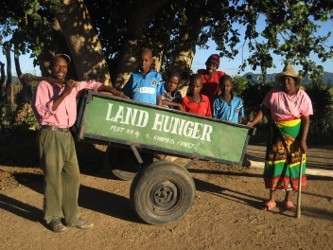
Parliamentarians meet to respond to the ‘land rush’
August 8, 2014 / Land Parliamentarians from Southern Africa met on (11-12 August 2014 to debate how foreign agricultural investment can bring benefits to local people, in the context of the ‘land rush’. Land rights, food security and jobs are among the themes discussed at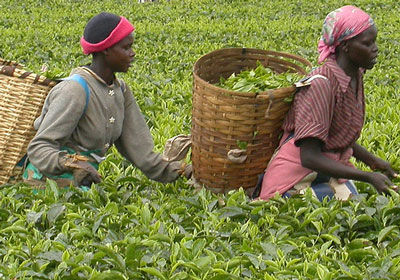
Sustainable intensification: don’t forget the politics
June 19, 2014 / Land The idea of 'sustainable intensification' has gained traction in recent years. But what does it mean for Africa? In a new blog post, Ian Scoones argues that advocates of SI should pay more attention to social contexts and political choices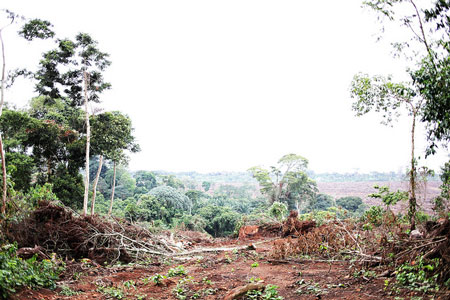
New topic guide on Land published
March 28, 2014 / Land A new topic guide on the subject of land, by Anna Locke (Future Agricultures Land theme) and Giles Henley, has been published. This is the latest in the Overseas Development Insitute’s 'Evidence on Demand' series. It covers the following: Growing
Food sovereignty dialogues resources
March 19, 2014 / Land The critical dialogues on food sovereignty held 14-15 September 2013 in Yale University, USA, and 24 January 2014 at the International Institute of Social Studies (ISS) in the Hague have produced some excellent resources. The dialogues brought together the world’s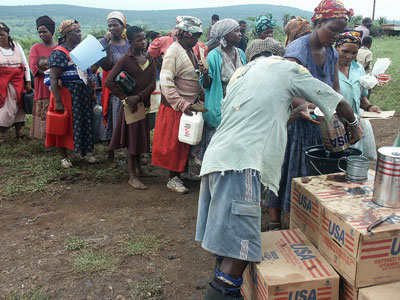
Telling stories about scarcity
February 17, 2014 / Land ‘Scarcity’ is a key term in debates about the global rush for land and other resources. A new working paper from our project on Land and Agricultural Commercialisation in Africa looks at different narratives of scarcity related to the future
Food Sovereignty: a Critical Dialogue
January 21, 2014 / Land On 24 January 2014, the event ‘Food Sovereignty: A Critical Dialogue’ brought together sceptics and advocates of food sovereignty to discuss the future of this controversial idea in critical agrarian studies. Ian Scoones chaired the opening keynote session of this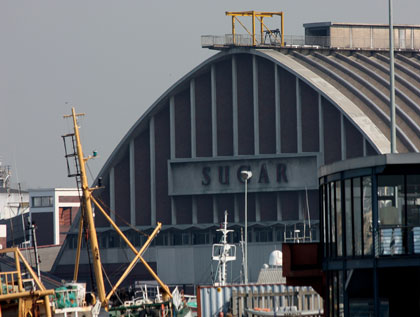
Southern Africa Sugar Research Network
January 17, 2014 / Land Sugar has been making big changes in Southern Africa’s agrarian landscape. Over the past two decades, South African and multinational sugar companies have pursued an aggressive investment drive into Southern Africa, often facilitated by purchase of formerly state-owned enterprises. A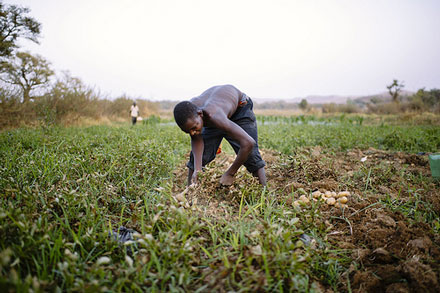
Land grabbing: lessons from history
December 18, 2013 / Land A new article by Elena Baglioni (a former Early Career Fellow) and Peter Gibbon (DIIS) examines ‘land grabbing’ in relation to the history of plantation and large- and small-scale farming in sub-Saharan Africa.It looks at the extent of plantation farming
New paper: Biofuels and land rights in Tanzania
December 16, 2013 / Land A new working paper examines the impacts of large-scale biofuel investments, focusing on a case from Tanzania. Like much of sub-Saharan Africa, Tanzania has experienced a surge in land-based investment during the past decade. The paper, by Emmanuel Sulle and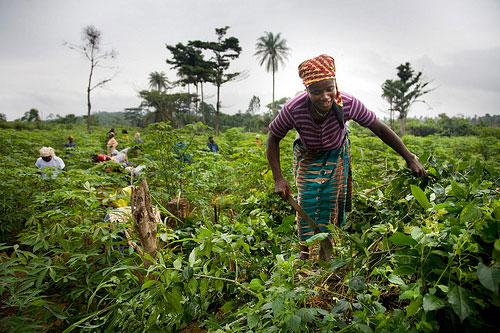
Conference: Agricultural Investment, Gender & Land in Africa
December 9, 2013 / Land Conference on Agricultural Investment, Gender and Land in Africa - Towards inclusive, equitable and socially responsible investment Venue: Protea Hotel, Stellenbosch (Cape Town), South AfricaDate: 5 Mar 2014 to 7 Mar 2014 The conference includes contributions from academia, government, private
Call for Proposals: BRICS Initiative for Critical Agrarian Studies
December 2, 2013 / Land 2 December 2013: The BRICS Initiative for Critical Agrarian Studies (BICAS) invites applications for small grants for research papers on the themes outlined below, and welcomes applications from PhD students or recent PhDs. The deadline for proposals is 1 February
BRICS Initiative for Critical Agrarian Studies launched
December 2, 2013 / Land The BRICS Initiative for Critical Agrarian Studies (BICAS) is a new collective of largely BRICS-based or connected academic researchers concerned with understanding the BRICS countries and their implications for global agrarian transformations. For its launch, BICAS has released its first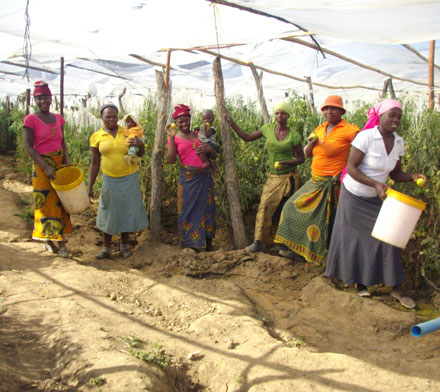
Debating Zimbabwe’s Land Reform: new book
November 26, 2013 / Land Zimbabwe’s land reform has been intensely controversial. Yet debate has been plagued by bias and misinformation. A new book by Ian Scoones, Debating Zimbabwe’s Land Reform, aims to offer a more considered discussion, rooted in field-based, empirical research carried out
Making land deals more transparent
November 14, 2013 / Land A new report suggests how land deals could be made more transparent, drawing on lessons from other sectors. In the report, The Possible Shape of a Land Transparency Initiative, Anna Locke (ODI, Future Agricultures land theme) and Giles Henley (ODI)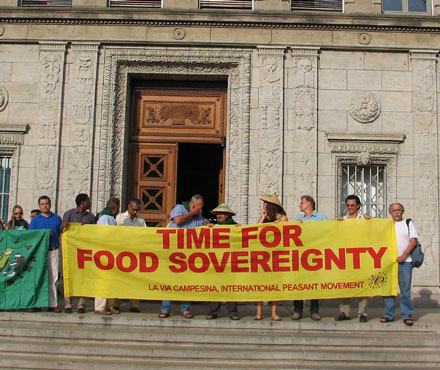
Register: Food sovereignty, ISS, January 2014
November 1, 2013 / Land The International Institute of Social Studies (ISS) is organising a colloquium on food sovereignty on 24 January 2014 in The Hague. Places are limited, so early registration is advised. Full details: Food Sovereignty: A Critical Dialogue - 24 January 2014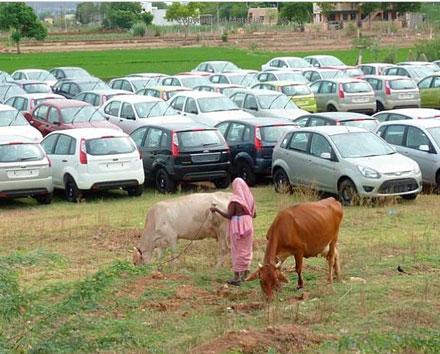
New book: land deals and the state
October 25, 2013 / Land A new book examines the state's role in land deals through theoretical insights and empirical studies from around the globe. Governing Global Land Deals: The Role of the State in the Rush for Land analyses the relationships between global land
Pan African Land Hearing: people speak out
August 13, 2013 / Land A special Pan African Land Hearing, held on 15 August in South Africa, gave a platform to recognise and profile the struggles of ordinary people affected by disputes over land and tenure. It was organised by Oxfam South Africa, PLAAS,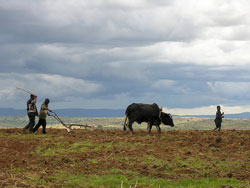
Land deals in Mozambique
July 25, 2013 / Land A workshop on Governance of Large Scale Land Transactions in Mozambique took place on 31 July 2013. The event aimed to show preliminary findings from research in Manhica and Massingir, and to encourage dialogue among stakeholders in land transactions. The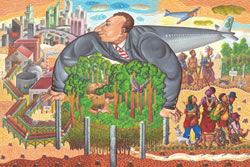
Land grabs: getting the facts right
July 5, 2013 / Land As part of its series on global land deals, The Journal of Peasant Studies has released a collection of 5 new articles on the problem of recording accurate and reliable information on global land deals. The edition includes contributions from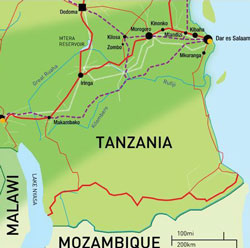
G8 & Africa: reframing the New Alliance
June 14, 2013 / Land Through the New Alliance for Food Security and Nutrition, G8 countries are seeking to mobilise the private sector and multi-national corporations to boost African agriculture. A new Future Agricultures / PLAAS briefing (pdf) looks at how African countries are engaging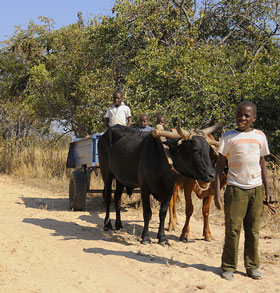
Displacement and changing labour in Zimbabwe’s farms
May 29, 2013 / Land Zimbabwe's recent land reform had a major impact on farm labour, with much displacement of workers from large-scale commercial farms. However, the scale and implications of this are much disputed and poorly understood. A new paper by Walter Chambati examines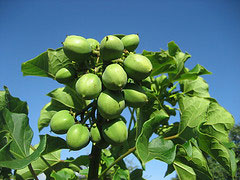
Biofuels: living up to expectations?
May 14, 2013 / Land Have biofuel projects taken off as expected? A report from the Overseas Development Institute (ODI) looks at the situation in five countries which were seen as key destinations for the industry – and what effects the developments may have on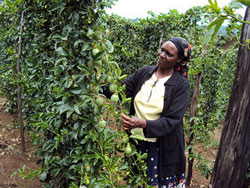
Large farming developments: reviewing the evidence
May 13, 2013 / Land What are the impacts of different types of large farming developments in Africa? On the blog, Rebecca Smalley explains the highlights from a literature review from our new project, Land and Commercialisation in Africa (LACA). The project looks at contract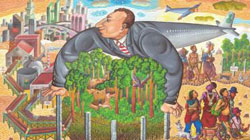
Special issue: Governing global land deals
April 22, 2013 / Land A special issue of the journal Development and Change, entitled Governing Global Land Deals: The Role of the State in the Rush for Land, is the latest of a series exploring global land, water and green grabs. This has been
Land guidelines: from paper to practice
April 3, 2013 / Land The tenth "Policies against Hunger" conference in June 2013 will centre around the question of how to apply the standards and principles described in the Voluntary Guidelines on the Responsible Governance of Tenure of Land, Fisheries and Forests in the
Online debate on the Future of Agriculture: 10-21 December
December 17, 2012 / Land Oxfam is running an online discussion from 10-21 December 2012, exploring key issues for the future of agriculture. They include: farmers’ knowledge as the driver of innovation and investment; women’s land ownership; farming’s dependence on fossil fuels; and effective risk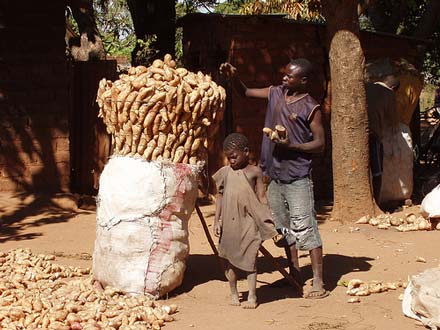
Malawi’s Green Belt: squeezing smallholder farmers?
November 18, 2012 / Land Malawi's Green Belt Initiative aims to offer land to local and international investors, in order to increase agricultural production, productivity, incomes and food security. But it may also be facilitating 'land grabs' from smallholder farmers. This new Policy Brief (pdf)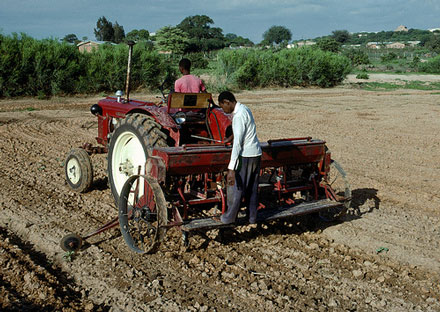
Land grabbing: from understanding to global action
October 31, 2012 / Land Jose Graziano da Silva, the Director-General of the UN FAO, urged researchers and others to get involved in international processes to tackle land grabs at the Global Land Grabbing II conference last week. In a new article on the IDS
Land Grabs: the big questions
October 18, 2012 / Land The 2nd International Global Land Grabbing Conference opened with the "big questions" for land grabbing, with a wide-ranging panel discussion. You can watch all of the videos in the playlist embedded below. The panel, chaired by Jessie Ribot (University of
Build a global map of land deals
October 16, 2012 / Land Around the Global Land Grabbing conference on 17-19 October 2012, the LDPI (Land Deals Politics Initiative) is building a global map of land deals. Visit the online request form on the conference website to submit information to this global database,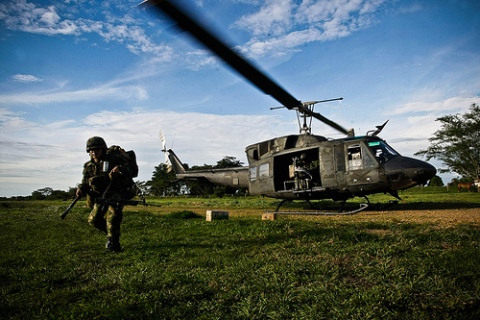
Blogs: “Land laundering” and global governance
October 16, 2012 / Land In the run up to the Second International Conference on Land Grabbing, two speakers have blogged on different aspects of the rush for land. Teo Ballvé writes about how violent paramilitaries have stolen land in Colombia and then 'laundered' it
Land Grabbing II conference: press release
October 10, 2012 / Land Estimates of global land deals, placed at 50 million hectares in an early World Bank study (2010), now hover between 80 and 760 million according to Oxfam and others. While land grabs were originally considered an “African phenomenon,” it is
Storify: Land Grabbing II conference
October 5, 2012 / Land This page tells the story of the Land Grabbing II conference through comments, images and links to longer articles. It will be updated before, throughout and after the event. If you are on Twitter, you can join in the conversation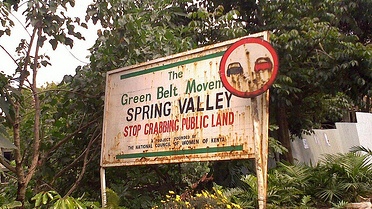
Land grabs: what’s really happening?
October 3, 2012 / Land The global financial crisis has given way to a rush for land. If people ever took the land they lived and worked on for granted, they can no longer afford to do so. Tracts of territory are being leased or
Land Grabs II: 17-19 October, USA
August 17, 2012 / Land The second international academic workshop on ‘Global Land Grabbing’ was held on 17-19 October 2012 at Cornell University in Ithaca, NY, USA. This event is presented by the Land Deal Politics Initiative (LDPI) and the Cornell Department of Development Sociology.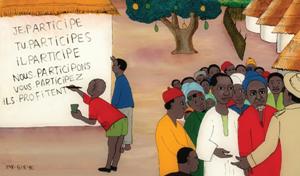
Corporate land grabs: new journal issue
June 25, 2012 / Land Future Agricultures researchers have contributed to an issue of the Journal of Peasant Studies on large land deals. 'The new enclosures' examines the implications of large-scale 'land grabs' for property, labour and rights. Estimates of the total area of large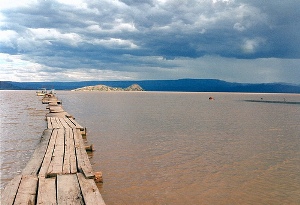
The slippery nature of water grabbing
June 20, 2012 / Land Large-scale land acquisitions for agricultural investment, popularly known as 'land grabbing', have recently attracted headline attention. But the implications of these land grabs for water resources have stayed out of the spotlight until now. A special issue of the journal
Colloquium on Land Grabbing, 11 June 2012
June 1, 2012 / Land The 4th Critical Agrarian Studies Colloquium has taken place in The Hague, Netherlands. After a few years dominated by important reports on land grabbing from NGOs and the media, as well as initial scoping studies from some academics, the year
“Green Grabs” journal issue
April 25, 2012 / Land A special issue of the Journal of Peasant Studies, published this week, explores the controversial issue of 'green grabbing' – the appropriation of land and resources for environmental ends. The vigorous debate on 'land grabbing' already highlights instances where 'green'
LDPI Small Grants 2012: Recipients
March 16, 2012 / Land The Land Deal Politics Initiative (LDPI) has announced the awards of its Small Grants programme for 2012. The LDPI is a network to promote 'engaged research' on the recent explosion of (trans) national commercial and corporation-driven land transactions. Out of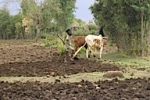
Land grabbing conference, October 2012, USA
March 7, 2012 / Land Across the world, we are seeing a dramatic rise in the extent of cross-border, transnational corporation-driven and foreign government-driven, large-scale land deals unfolding. Such ‘land grabs’ revolve around the production and sale of food and biofuels, conservation and mining activities.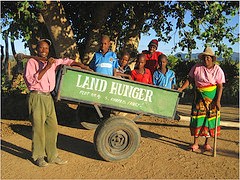
Land in Zimbabwe: Voices from the Field
September 27, 2011 / Land 26 September 2011 - Ian Scoones Zimbabwe's political crisis continues with political parties' internal divides exposed by Wikileaks revelations, the coalition government at loggerheads on fundamental issues and the prospect of a violent election period in the coming year. Yet
Transnational Commercial Land Deals in Ghana
June 27, 2011 / Land Joseph Yaro, Dzodzi Tsikata, Marshal Kala, Abraham Zackaria University of Legon, Ghana
Land deals and commercial agriculture in Kwara State, Nigeria
June 27, 2011 / Land Joseph Ariyo and Michael Mortimore Alma du Bello University; independent