Policy Processes
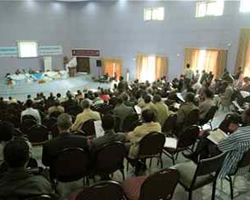
Central to the work of the consortium is an understanding of policy processes surrounding agriculture in the regional/country settings where we work. This requires a look at how agriculture and farming is understood in policy circles and what bureaucratic, political, budgetary and other processes either prioritise or downplay agriculture.
The policy processes theme work will explore the relative influence of domestic politics and external factors (e.g. aid, regional economic/political integration, the CAADP process) on policy outcomes and how these different influences interact. Key questions we are addressing under this theme include: :
- What are the politics of agricultural policy processes in different national settings? How do regional and international processes impinge?
- What is the contemporary role for and position of Ministries of Agriculture? How does this affect the organisation and perception of the sector?
- What is the contemporary role for and position of Ministries of Agriculture? How does this affect the organisation and perception of the sector?
- How are farmers’ perspectives articulated in policy? Through what organisations, forums and political processes?
Latest articles
Improving processes & advice for African agricultural policy
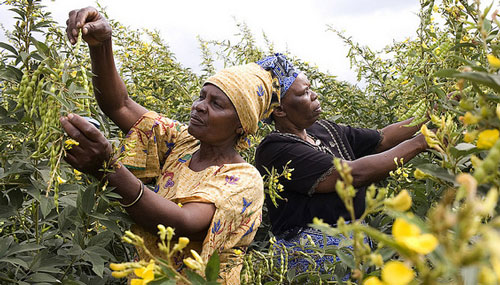
October 29, 2014 / Policy Processes On 11-13 June 2014, a three-day learning event was held in Ghana, discussing agriculture policy, its impact on agriculture performance and the political economy surrounding African agricultural policy processes. A report, programme, presentation slides and video from the event are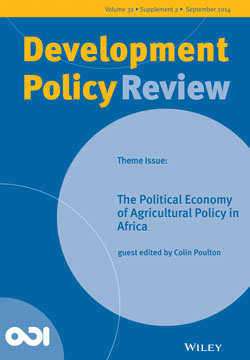
New special issue of ‘Development Policy Review’
September 23, 2014 / Policy Processes A new open access issue of the journal Development Policy Review: ‘The Political Economy of Agricultural Policy in Africa’, has been published. Agricultural development is often seen as a technical issue, but Future Agricultures work has highlighted the politics and
CAADP: how can Africa’s agricultural development be sustained?
July 7, 2014 / Policy Processes An event in the UK Houses of Parliament on ‘The future of African Agriculture and CAADP’ will be held on 15 July. Colin Poulton, convenor of the Policy Processes theme of Future Agricultures, will be discussing new research on the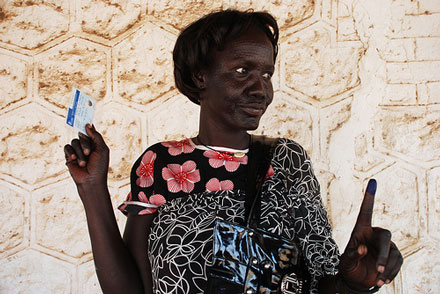
Does CAADP need more political economy?
April 2, 2014 / Policy Processes On our blog, Blessings Chinsinga reports back from CAADP's 10th Partnership Platform in Durban. Among many positive discussions about the future of farming in Africa, is there a need for a new focus on the political economy of agriculture? Blog:
G8: A recipe for solving hunger?
June 10, 2013 / Policy Processes As the G8 prepares to discuss transparency, hunger and nutrition, the approaches on the table have crucial implications for African agricultural policy. In a new blog post, Ian Scoones asks if the political dimensions of the global food system are
Media competition: Winners announced
February 27, 2013 / Policy Processes We're delighted to announce the winners of our Africa-wide journalism competition on the politics and processes that influence agricultural investment in Africa. The winners are: Print category: Oluyinka Alawode (Nigeria) Audio category: George Kalungwe (Malawi) We had over 40 submissions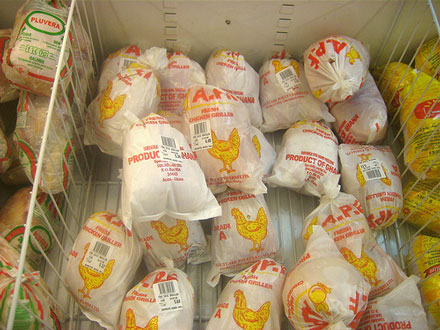
Chicken and politics mix in Ghana
November 28, 2012 / Policy Processes A post on the STEPS Centre blog by Future Agricultures researchers Jim Sumberg and John Thompson looks at the politics of chicken in Ghana, with elections just around the corner. 70,900 metric tons of frozen chicken were imported into the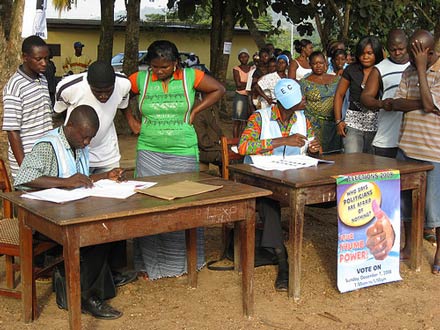
Interview: Does democracy lead to pro-poor agriculture?
November 13, 2012 / Policy Processes The process of democratisation does not always create better pro-poor agricultural policy in Africa. The Africa Portal has published an interview with FAC researcher Colin Poulton on whether democratisation in Africa leads to more pro-poor agricultural policy. The interview comes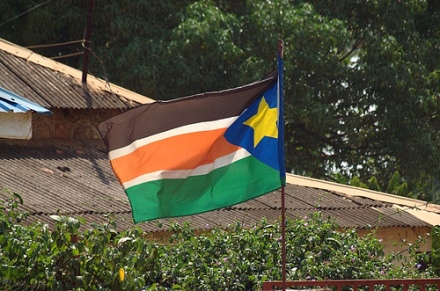
South Sudan: caught in a trap?
October 2, 2012 / Policy Processes In a seminar at the Institute of Development Studies on 1 October, Dr Luka Biong Deng discussed South Sudan's uneasy relationship with oil and some ways to understand the country's future (audio and slides are below). The excitement of recent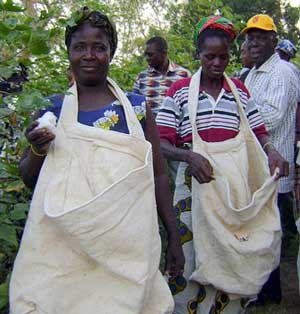
Cotton in Burkina Faso: politics and change
September 21, 2012 / Policy Processes The cotton industry in Burkina Faso is widely regarded as a success story. But little research has been done on the political economy of the industry.A working paper by Augustin Loada (in French) examines the key players, reform processes, and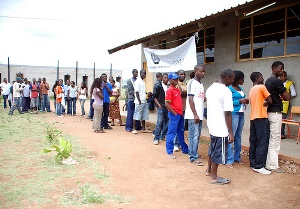
Has the rise in democracy in Africa helped poor farmers?
August 31, 2012 / Policy Processes This working paper examines how agricultural policy for the poor in eight African countries has been affected by the process of democratisation. For a number of reasons, the agriculture sector has been neglected by national governments and development agencies in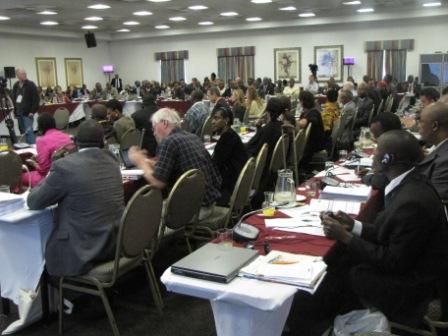
Political Economy of Agricultural Policy in Africa (PEAPA)
April 19, 2012 / Policy Processes Debates on the appropriate role for the state in stimulating agricultural development should be linked to an assessment of the capacity and willingness of the state to implement particular policies in particular country contexts. The Political Economy of Agricultural Policy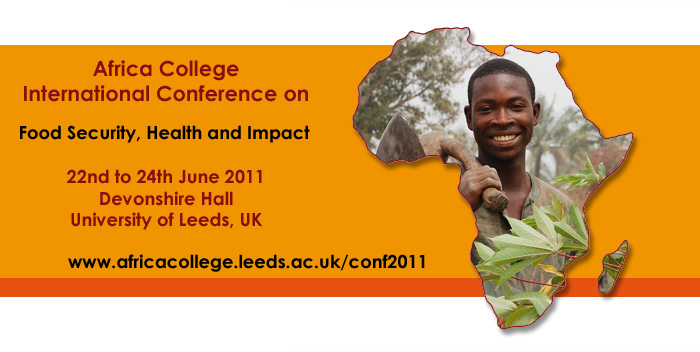
Report on the Africa College International “Food Security, Health and Impact” Knowledge Brokering Conference
June 26, 2011 / Policy Processes 22 - 24 June 2011, Leeds, UK, by Colin Poulton Africa College is a research partnership between University of Leeds (Faculties of Biological Sciences, Environment, Medicine and Health), IITA and ICIPE that aims “to improve the lives of millions of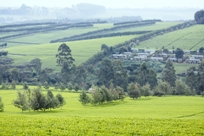
Awakening Africa’s Sleeping Giant
January 4, 2011 / Policy Processes FAC’s conference held at the School of Oriental and African Studies, London, on 21-22 June 2010, focused on the findings of the World Bank’s Awakening Africa’s Sleeping Giant report. This influential document argues that a huge area, defined broadly as
Climate Change Adaptation Policy Processes
April 19, 2010 / Policy Processes Two FAC members (Blessings Chinsinga and Lydia Ndirangu) are involved in collaborative research on "Linking African Researchers with Adaptation Policy Spaces". This project aims to increase the ability of partners in Climate Change Adaptation in Africa (CCAA) programme in East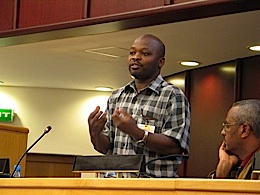
Role and Performance of Ministries of Agriculture and Rural Development
April 19, 2010 / Policy Processes During 2007 - 2009, the Policy Processes team conducted research in seven districts of Kenya (Eldoret West, Mwingi, Nyeri South and Rachuonyo) and Malawi (Dedza, Rumphi and Thyolo), to examine the role and performance of the Ministry of Agriculture at
Debating Fertiliser Subsidies in Malawi
January 22, 2010 / Policy Processes FAC recently published an in depth evaluation of the 2006-07 fertilizer subsidy programme. The evaluation, by Andrew Dorward (FAC and University of London) and Ephraim Chirwa (FAC and University of Malawi), assesses the impact and implementation of the Malawi Government
States, Politics and Development in Africa
January 22, 2010 / Policy Processes A key challenge for the consortium’s work is to help develop policy responses attuned to local contexts. Politics are central to understanding context. As a consortium review paper discusses, a variety of different approaches to understanding African political systems have