Science, Technology and Innovation
 Technology – seeds, breeds, fertility inputs, disease control measures, water management – is clearly key to getting agriculture moving. But the impacts of extensive investment in technology development and transfer in Africa and in some parts of Asia have been patchy. With new technology options coming on-stream (e.g. biotechnologies or various sorts) and important new players in the private sector in particular, there are new challenges for the governance of technology in the agriculture sector. The old research and development extension arrangements of 20-30 years ago are not appropriate, but what is? We want to ask a number of questions:
- How can agricultural technology be made to work for the poor? What are the implications for technology choice and priority setting mechanisms?
- How are technology trajectories linked to processes of agrarian/livelihood change in different settings?
- What should be the roles of public and private sectors (both international and national) in technology development?
- How is access to technology options constrained? What alternatives exist?
- How should national/regional innovation systems look to deliver inputs for small farmers?
Latest articles
Call for contributions: Contested Agronomy 2016
February 5, 2015 / Science, Technology and Innovation The conference “Contested Agronomy: Cases, Dynamics & Implications” will take place at the Institute of Development Studies in February 2016. Contested Agronomy 2016 is a conference about the battlefields in agricultural research, past and present. For full details, visit the
Productivity assessments are let down by poor methods
November 13, 2014 / Science, Technology and Innovation Flawed methods are used to assess the productivity of new technology for farmers, resulting in unreliable evidence, according to a new briefing by Future Agricultures member Michael Loevinsohn. New technology that enables sustainable and profitable production of food is critical
Strengthening African seed systems
June 25, 2014 / Science, Technology and Innovation A regional dialogue on “Strengthening African Seed Systems: Technical, Economic and Policy Challenges” took place in Nairobi on 14-15 July, hosted by Future Agricultures and the Tegemeo Institute of Agricultural Policy and Development. Video and presentations from the event are
‘African Farmer’ online game launched
April 23, 2014 / Science, Technology and Innovation African Farmer, a free, open source online game, has been launched by the Future Agricultures Consortium and the University of Sussex. The game simulates the complex decisions and uncertainties faced by small-scale farmers living in Sub-Saharan Africa. It aims to
Technology: more than mobiles
September 17, 2013 / Science, Technology and Innovation Electronic devices allow farmers in Africa to access and share information as never before. But the role of ‘technology’ in agriculture is about more than just sharing practices through mobile phones. Institutions, social change and politics play a part. In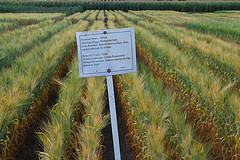
Arguing about agronomy
August 27, 2013 / Science, Technology and Innovation A new article in Outlook on Agriculture looks at how agronomy has been affected by social change since the 1970s. The science of agronomy informs crucial decisions on development. It is often seen as a practical, problem-solving field, but like other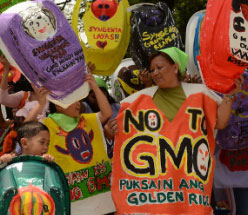
Afrocapitalism and GM: blurred philanthropy?
July 22, 2013 / Science, Technology and Innovation In an article for openDemocracy, Sally Brooks examines the promise of Afrocapitalism and new forms of philanthropy involving public private partnerships for development in Africa. Brooks compares the development of Golden Rice in the 1990s and 2000s, the more recent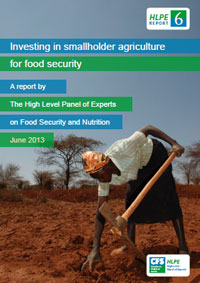
FAO launches high-level reports on biofuels and smallholder farmers
June 26, 2013 / Science, Technology and Innovation Today (26 June 2013) sees the launch of two reports from the High Level Panel of Experts on Food Security and Nutrition: #5 Biofuels and food security, and #6 Investing in smallholder agriculture for food security. Report 6, according to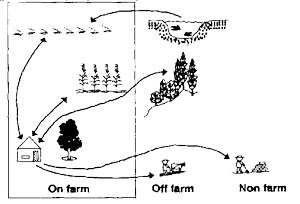
Breathing new life into farming systems research
May 3, 2013 / Science, Technology and Innovation In a new blog post, Jim Sumberg suggests how the discipline of Farming Systems Research (FSR), pioneered in the 1970s, could be revived with new thinking. With agriculture once again high on the development agenda, and with new ambitions, actors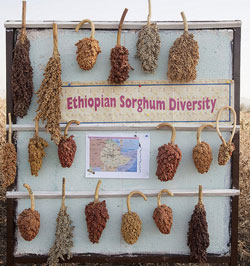
New book sheds light on Ethiopian seed systems
March 6, 2013 / Science, Technology and Innovation A new book, available as a free download (Zip file, 18MB), is the culmination of a considerable amount of new and important research on seed systems, both within Ethiopia and across Africa. Defining Moments in the Ethiopian Seed System draws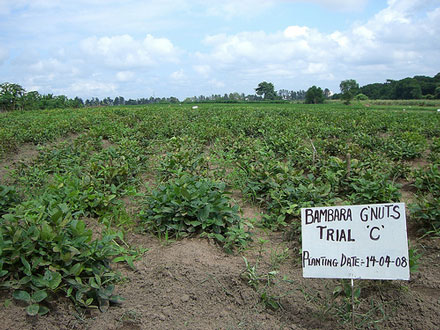
Are agricultural ‘success stories’ all they appear to be?
February 13, 2013 / Science, Technology and Innovation Demonstrating 'impact' has become a strong imperative for those involved in agricultural research. But this pressure has led to some large-scale claims for techniques that have only been tested at farm level. In a new blog post, Jim Sumberg examines
Debate: farmers, GM crops and agriculture’s future
November 23, 2012 / Science, Technology and Innovation The Guardian's latest Global Development podcast features a panel discussing the future for farmers, GM crops and agriculture. The discussion, which includes FAC's Andrew Dorward, was recorded at the UK DSA conference in October 2012. High food prices, concerns about
Mind the (yield) gap(s)
October 10, 2012 / Science, Technology and Innovation What is a "yield gap"? The term might be rooted in the science of crop production ecology, but it is now increasingly used as a device to frame policy. The journal Food Security carries an article by Future Agricultures member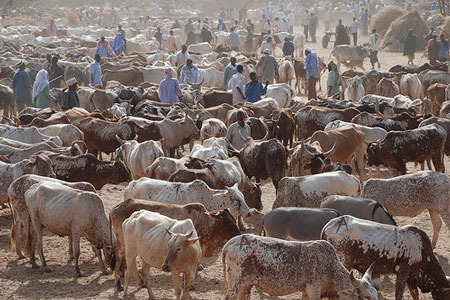
Is the Livestock Revolution ‘supply driven’?
September 26, 2012 / Science, Technology and Innovation The notion of the 'Livestock Revolution' is one of the most powerful ideas to emerge in the area of food, nutrition and agriculture in the last 10 years. It has been called a 'supply driven' revolution, in contrast to the
Policy Briefs: Seeds, Agro-dealers and Political Economy
April 11, 2012 / Science, Technology and Innovation Six new Policy Briefs shed light on the political economy of seeds in Kenya, Malawi, Ghana, Ethiopia and Zimbabwe. They arise from the work of the Science, Technology and Innovation theme of the Future Agricultures Consortium. These Policy Briefs also
New book: Contested Agronomy
February 17, 2012 / Science, Technology and Innovation A new book, Contested Agronomy, by FAC members Jim Sumberg and John Thompson, is published by Routledge as part of the STEPS Centre's Pathways to Sustainability book series. Contested Agronomy book: order The dramatic increases in food prices experienced over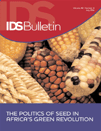
New IDS Bulletin Features FAC work on the Political Economy of Seed Systems in Africa’s Green Revolution
July 5, 2011 / Science, Technology and Innovation As calls for a ‘Uniquely African Green Revolution' gain momentum, a focus on seeds and seed systems is rising up the agricultural policy agenda. Much of the debate stresses the technological or market dimensions, with substantial investments being made in seed
FAC Contributes to International Conference on Sustainable Seed Systems in Ethiopia, 1-3 June 2011
June 7, 2011 / Science, Technology and Innovation FAC's Science, Technology and Innovation (STI) Team co-sponsored an international conference on ‘Sustainable Seed Systems in Ethiopia: Challenges and Opportunities’ in Addis Ababa on 1-2 June 2011, co-hosted by the Ethiopian Institute for Agricultural Research (EIAR), in partnership with The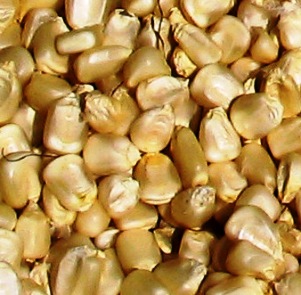
The political economy of seed systems
January 4, 2011 / Science, Technology and Innovation Huge expectations exist around the prospects of a new Green Revolution for Africa. Major investments have been made in supporting a science-led revolution in crop production, hoping that this will transform Africa’s fortunes. Institutions such as the Alliance for a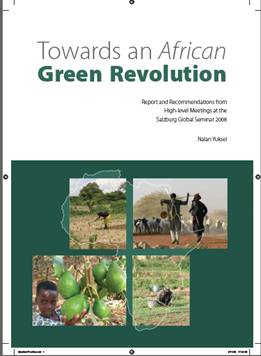
Farmer Consultations on Agricultural Research for Development (AR4D)
April 12, 2010 / Science, Technology and Innovation In 2008, Future Agricultures Consortium with the Salzburg Global Seminar and theInstitute of Development Studies (IDS) helped to co-convene the initiative "Toward a 'Green Revolution' in Africa?" This initiative brought together many key stakeholders to discuss and debate what a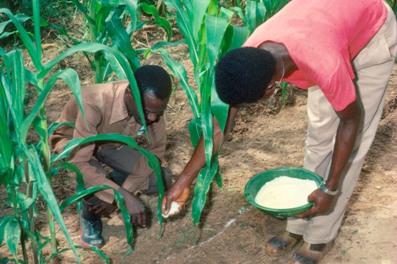
Science,Technology and Policy
January 22, 2010 / Science, Technology and Innovation Science and technology in agriculture are once again a focus for policy attention. Many argue that a way out of the