Growth and Social Protection
The rapidly evolving social protection agenda often targets farming families in Africa, but the linkages between social protection and agricultural growth outcomes are not well conceptualised or understood. For example, social protection often does not take agricultural seasonality into account, leading to poorly timed interventions and sub-optimal outcomes. Conversely, well designed interventions can support farmers to become self-reliant and ‘graduate’ from social protection support.
The work of this theme aims to highlight the centrality of seasonality in rural livelihood vulnerability, to advocate social protection policies that ameliorate adverse seasonality, and to identify policy approaches that maximise positive synergies and minimise negative trade-offs between social protection and agriculture.
Questions addressed by this theme include:
- Can synergies be identified between welfare-protecting and growth-promoting social protection and agricultural policies? Are there combinations of growth and social protection strategies and instruments that can promote both agricultural and non-agricultural growth and social protection?
- How do changing patterns of agricultural seasonality affect rural livelihoods in Africa? Is climate change making the seasons more unpredictable, and how this has affected patterns of production and growth on the one hand, and vulnerability and social protection needs on the other?
- Are contemporary social protection measures (such as targeted cash transfers) adequate for addressing the food insecurity and vulnerability to which African governments previously responded with much broader measures (e.g. food subsidies and strategic grain reserves)?
Latest articles
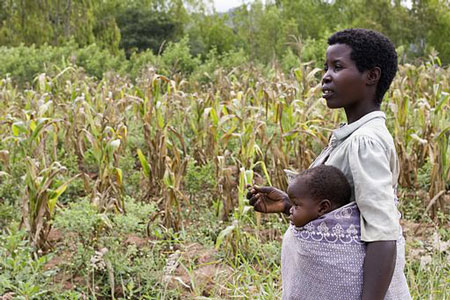
Do input subsidy programmes work? Lessons from Malawi
January 27, 2014 / Growth and Social Protection How can input subsidy programmes help farmers to produce more food and reduce poverty? In this blog post, Andrew Dorward and Ephraim Chirwa share the key insights from their new book on Malawi’s experience, and suggest lessons for the future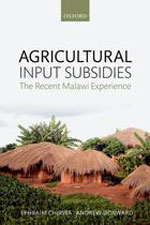
New book: Agricultural input subsidies and Malawi
November 27, 2013 / Growth and Social Protection Agricultural input subsidies have been adopted on a large scale across different African countries in the last few years. A new book, Agricultural Input Subsidies: the Recent Malawi Experience, by Ephraim Chirwa and Andrew Dorward, examines the benefits and risks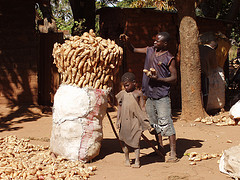
How have fertiliser subsidies changed Malawi?
August 28, 2013 / Growth and Social Protection Four new Future Agricultures working papers and five accompanying policy briefs look in detail at the impacts of the Farm Input Subsidy Programme (FISP) in Malawi, which aims to support farmers and boost the economy by subsidising seeds and fertilizers.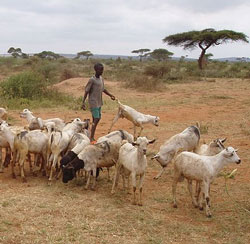
Does the ‘heifer-in-trust’ model work for social protection?
April 26, 2013 / Growth and Social Protection An article in Development Policy Review by James Sumberg and Gountiéni Damien Lankoandé examines the ‘heifer-in-trust’ or ‘livestock-in-kind credit’ model through a social-protection lens. Specifically it seeks to engage with debates about the use of asset-based strategies to support graduation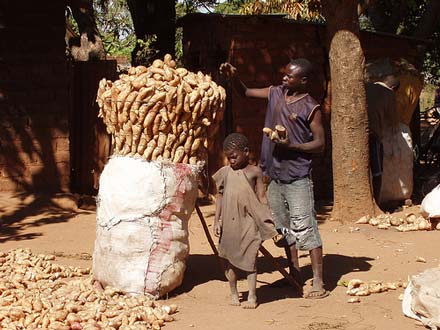
Malawi’s Green Belt: squeezing smallholder farmers?
November 18, 2012 / Growth and Social Protection Malawi's Green Belt Initiative aims to offer land to local and international investors, in order to increase agricultural production, productivity, incomes and food security. But it may also be facilitating 'land grabs' from smallholder farmers. This new Policy Brief (pdf)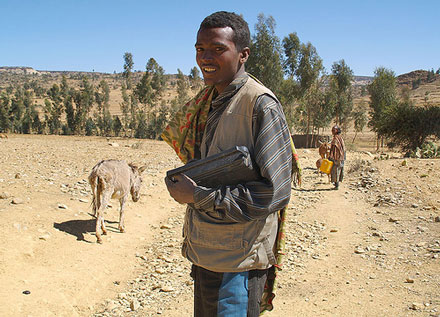
Overcoming dependence: food security in Ethiopia
November 5, 2012 / Growth and Social Protection Ethiopia’s Food Security Programme (FSP) has aimed to alleviate hunger and poverty through several programmes since 2005. A new Future Agricultures report (pdf) identifies the main enablers and constrainers of resilience and graduation from food and cash support provided through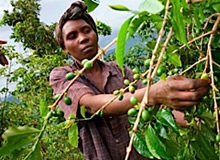
Shooting the messenger: Controversy over farmworker conditions in South Africa
May 21, 2012 / Growth and Social Protection Government and commercial farmers in South Africa have responded to a new report on the living and working conditions of farmworkers by criticising its methodology. Provocatively entitled 'Ripe with Abuse', the report by Human Rights Watch documents violations of minimum
Video: What is Seasonality?
April 16, 2012 / Growth and Social Protection In this video, two contributors to the book Seasonality, Rural Livelihoods and Development - Robert Chambers and Stephen Devereux - explain why seasonality has been neglected and why it is important for policy. Watch the video on YouTube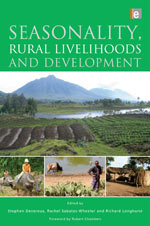
Book: Seasonality, rural livelihoods and development
January 18, 2012 / Growth and Social Protection Edited by Stephen Devereux, Rachel Sabates-Wheeler & Richard Longhurst Routledge, 2011 A systematic study of seasonality for over 20 years, this book aims to revive academic interest and policy awareness of this crucial but neglected issue. Buy the book from
Book: Seasonality, rural livelihoods and development
January 18, 2012 / Growth and Social Protection Edited by Stephen Devereux, Rachel Sabates-Wheeler & Richard Longhurst A systematic study of seasonality for over 20 years, this book aims to revive academic interest and policy awareness of this crucial but neglected issue. Buy the book from Earthscan Publishing
Ethiopian Ministry interview with FAC
December 30, 2010 / Growth and Social Protection Advancing the Social Protection Agenda in Ethiopia: an interview with the Ministry of Labour & Social Affairs (MoLSA) Quarterly Bulletin MoLSA: Just for our readers understanding, what does social protection mean? Amdissa: Support given to citizens that are vulnerable to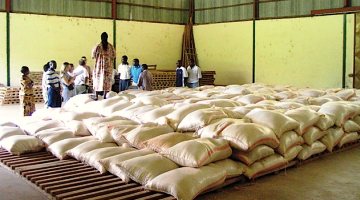
‘Graduation’ and Social Protection
April 14, 2010 / Growth and Social Protection This project in the Growth and Social Protection theme focuses on the issue of ‘graduation’ from agricultural support and social protection programmes. Graduation describes a process whereby recipients of cash transfers, food aid or free or subsidised inputs and assets